Apricot Glazed Chicken Thighs Recipe: A Simple Guide
I love how apricot glazed chicken thighs turn a busy night into a bright, sweet-savory winner that feels special but never fussy.
Imagine patting skin dry, hearing the sizzle as the skillet kisses the pan, then slipping the pan into a hot 400°F oven so the skin crisps and juices stay locked in. I’ll walk you through two clear paths: a quick skillet-to-oven method for crackling skin, and a marinated, hands-off bake you can set and forget while the house smells amazing.
You’ll get real timing—sear, oven temps, and the doneness cue of 165°F—plus simple swaps like Dijon or whole grain mustard, soy or coconut aminos, and how to turn dried fruit into a glossy glaze in minutes. I keep the steps practical and the tools simple: a heavy skillet, a baking dish, and a bowl for a quick marinade. By the time we’re done, you’ll have a reliable dinner you can riff on every time.
Key Takeaways
- Start hot: sear skin-side down, then finish at 400°F for crisp skin and juicy meat.
- Two methods: quick skillet-to-oven or marinated bake (375°F covered, then uncovered).
- Target internal temp 165°F; tent if browning too fast.
- Easy swaps—Dijon or whole grain mustard, soy or coconut aminos—work with pantry staples.
- Make a quick glaze from preserves or blend dried fruit with olive oil and garlic for a Whole30-friendly option.
Why this Sweet-Meets-Savory Chicken Dinner Works for Busy Home Cooks
A sweet-savory skillet dinner gives you flavor without a lot of fuss on a tight schedule. I want food that hits crispy, sticky, and juicy notes in under an hour—often much faster. Understanding the why makes it easy to adapt.
What Makes Apricot Glaze Irresistible on Chicken
Fruit preserves bring natural sugar that caramelizes quickly. When you simmer preserves with Dijon and a splash of vinegar, the sugars thicken into a glossy glaze that clings to the skin. That sticky coating builds layers of flavor in just a few minutes and keeps each bite bright, not cloying.
Why Chicken Thighs Shine: Fat Rendering, Crispy Skin, and Juicy Meat
Start skin-side down in a smoking-hot cast-iron skillet so the fat renders and the skin crisps. The high heat sets the surface fast, creating a glassy finish while sealing juices inside.
- Rendered fat fries the skin in its own oil, giving a great crunch.
- More intramuscular fat means forgiving meat and a wider doneness window.
- Finish in the oven so the interior cooks evenly without burning the glaze.
| Method | Why it works | Hands-off? |
|---|---|---|
| Sear + oven | Fast crisp, sticky finish | No, brief stovetop work |
| Marinated bake | Deeper flavor, low fuss | Yes |
| Simmered glaze | Quick lacquer, high impact | Yes |
Your Ingredient Game Plan, Smart Swaps, and Flavor Boosters
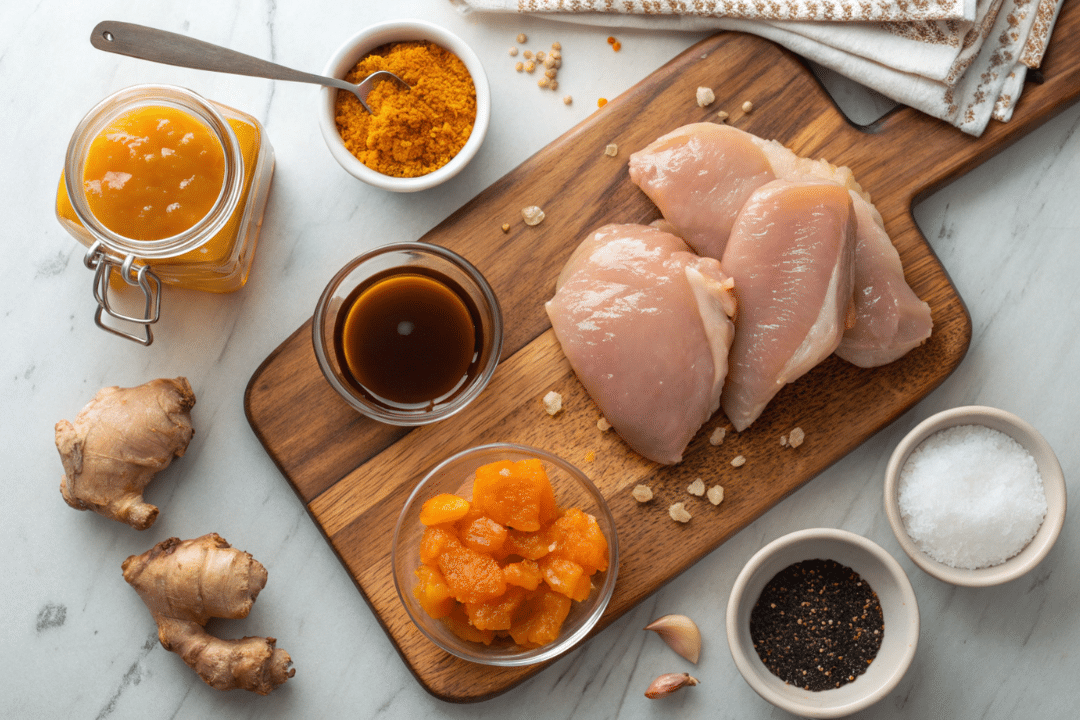
With a few pantry staples and small swaps, you can get big flavor without fuss. I’ll list the core components, exact ratios, and options so you can use what you have and still get great results.
Core Ingredients that Keep Meat Juicy
I reach for bone-in, skin-on cuts for skillet work and boneless for quicker ovens. Salt and pepper first—season the meat so the inside tastes good before any sweet topping goes on.
- Classic glaze: 1/2 cup apricot preserves, 1 teaspoon dijon, 1 teaspoon white wine vinegar, small minced shallot, pinch of salt.
- Marinade: whisk 3/4 cup preserves, 1 tablespoon whole grain mustard, 2 tablespoons soy sauce or coconut aminos, 2 tablespoons melted butter in a bowl.
- Paleo blend: 1 cup chopped dried apricots plus 1/2 cup olive oil, 5 cloves garlic, 2 teaspoon dijon, salt, pepper—blend to a paste.
Easy Swaps and Flavor Boosters
Mustard choice is flexible: whole grain gives texture, dijon melts into the sauce. Coconut aminos stand in for soy if you want gluten-free or Paleo. A neutral oil helps the glaze brown evenly.
| Method | Key ratio | Best for |
|---|---|---|
| Classic glaze | 1/2 cup apricot preserves, 1 tsp dijon | Crispy skin, quick glaze |
| Marinade | 3/4 cup preserves, 1 tbsp mustard | Overnight flavor boost |
| Paleo blend | 1 cup dried apricots, 1/2 cup olive oil | Sugar-free, Whole30-friendly |
Apricot Glazed Chicken Thighs: Step-by-Step You Can Trust
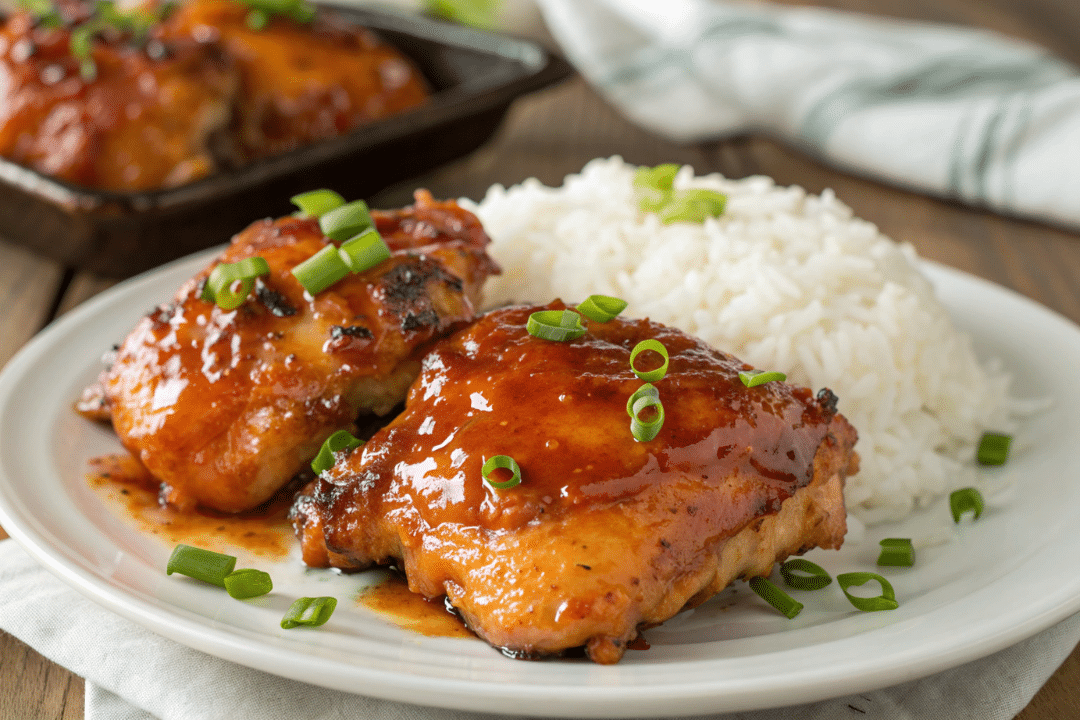
Dinner comes together fast when you follow a clear sear-then-bake plan that locks in flavor and crisp skin. Below, I give exact times, temperatures, and the tools I use so you can repeat it with confidence.
Quick Overview: Timing, Temperatures, and Tools
You’ll sear, then finish in the oven, or marinate and bake. Expect 25–45 minutes total, depending on method and size. A heavy skillet and an oven-safe dish keep things simple.
Skillet-to-Oven Method for Crispy Skin and Sticky Glaze
- Preheat oven to 400°F. Heat a cast-iron skillet until hot.
- Add a thin film of oil, place skin-side down, sear 3 minutes on high, then 5 minutes on medium.
- Flip, cook 8 minutes, then transfer to oven 8–10 minutes until thermometer reads 160°F. Rest 5 minutes.
Baked and Marinated Method for Set-It-and-Forget-It Ease
- Whisk 3/4 cup preserves, 1 tablespoon mustard, 2 tablespoons soy or aminos, 2 tablespoons melted butter; add chicken, toss, cover, refrigerate 1 hour to overnight.
- Let sit for 30 minutes at room temperature, then transfer to a dish, cover, and bake at 375°F for 35–40 minutes. Uncover and broil for 1–2 minutes, if needed. Remove at 165°F and rest 5–10 minutes.
Making the Glaze: Preserves Simmer or Blended Dried Apricots
For preserves: Sauté shallot in a tablespoon of oil with a pinch of salt for 3–4 minutes; stir in a teaspoon of Dijon, a splash of white wine vinegar, and 1/2 cup preserves. Simmer for 5–6 minutes to thicken.
For dried apricots: soak for 10–30 minutes, then blend with olive oil, garlic, Dijon mustard, and salt to form a spreadable paste. Warm gently before spreading to ensure the glaze adheres.
| Method | Oven Temp | Hands-off? |
|---|---|---|
| Skillet + oven | 400°F | No (short stovetop work) |
| Marinated bake | 375°F | Yes (minimal active time) |
| Paleo blend bake | 425°F | Yes (soak then bake) |
Pro tips for Doneness, Caramelization, Serving Ideas, and Storage
A quick thermometer check and a 5–10 minute rest will turn good meat into a winner. I pull pieces at 160–165 degrees and let carryover heat finish them while juices redistribute. Resting keeps the interior juicy and makes slicing cleaner.
Doneness Cues, Rest Time, and How to Control Browning
If the top browns too fast, lower the oven 25 degrees or tent loosely with foil. That buys time without drying the meat. A brief 1–2 minute broil at the end adds color if needed.
- Pull at 160–165 degrees; rest 5–10 minutes.
- Brush extra glaze in the last few minutes to build a lacquer without burning sugars.
- If glazing sticks, add a teaspoon of vinegar or lemon for brightness.
What to Serve: Sides that Soak Up the Sauce
I love serving this with buttered mashed potatoes or fluffy coconut rice. Roasting cabbage wedges at 410°F for 30 minutes is a great roast option.
Greens balance the sweet-savory notes—think garlicky green beans or a simple arugula salad dressed with olive oil and lemon.
Make-Ahead, Leftovers, Freezing, and Best Reheating Methods
Whisk a marinade in a bowl up to 3 days ahead; add the meat to a bag the night before, and you’re done by dinnertime, mainly. For leftovers, refrigerate in an airtight dish up to 4 days.
To freeze: cool completely, wrap tightly, and store in the freezer for up to 3 months. Thaw overnight in the refrigerator for optimal texture. Reheat gently at 300°F in the oven for 10–15 minutes, adding a splash of water or olive oil to loosen the sauce. If you’re in a rush, microwave at 50% power in short bursts.
| Storage | Time | Best reheat |
|---|---|---|
| Refrigerate | Up to 4 days | 300° oven, 10–15 minutes |
| Freeze | Up to 3 months | Thaw overnight, then oven |
| Make-ahead marinade | 3 days in bowl | Add to the bag the night before |
Conclusion
Pick the method that fits your evening—sear, then roast, or toss in a marinade and relax—either way you win. Give the meat a good sear, mind the oven time, and rest the pieces a few minutes before slicing.
You’ve got two reliable paths to a tasty apricot-glazed chicken: the quick skillet-to-oven finish or the low-fuss marinated bake. Keep the glaze balanced, season the meat well, and swap preserves, dried apricots, Dijon, or coconut aminos as needed.
Serve with mashed potatoes, rice, or roasted veg so the sauce sings. This recipe is a real weeknight winner—easy to make ahead, forgiving on time, and always worth the small effort. I look forward to your trying it.
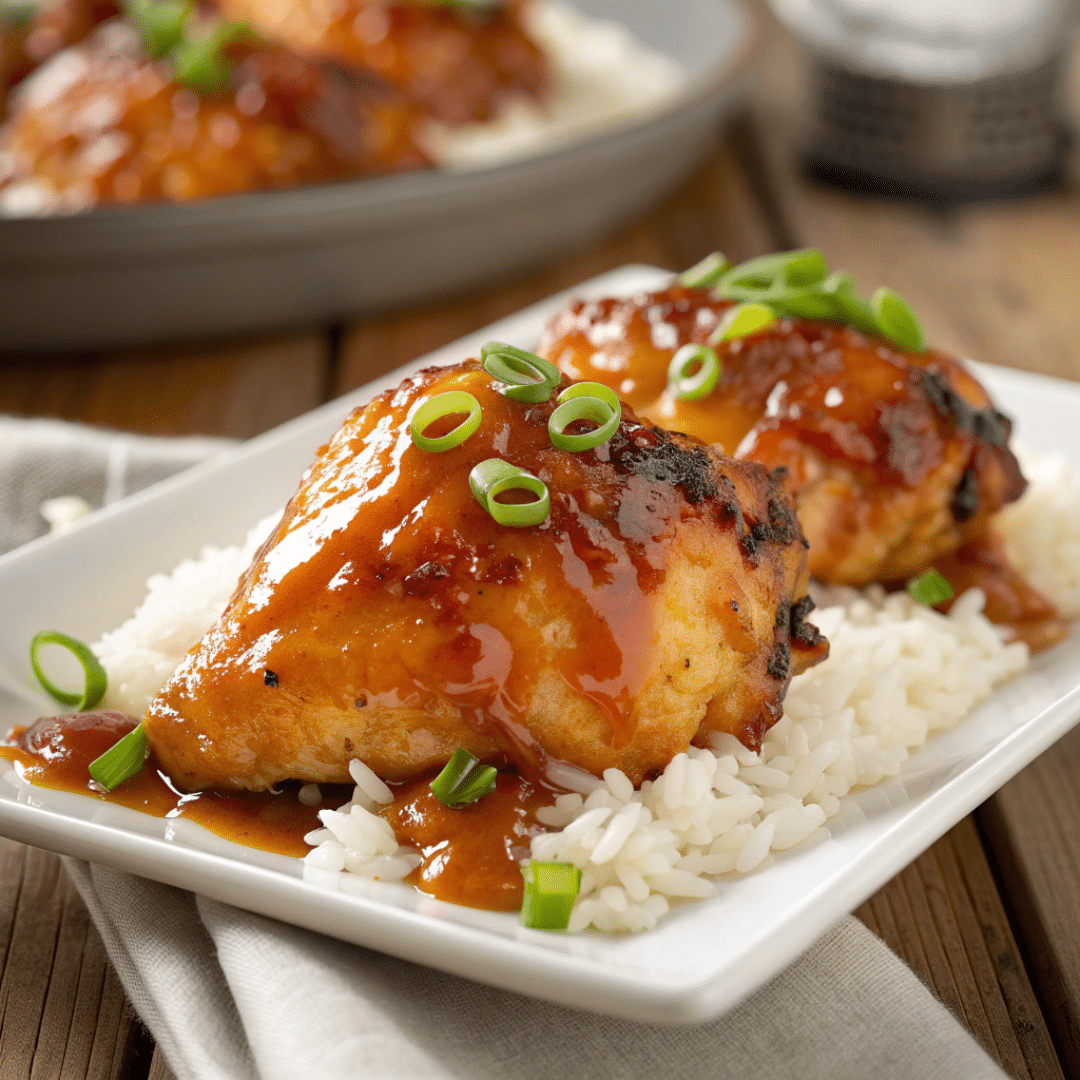
Apricot Glazed Chicken Thighs
Ingredients
Method
- Preheat the oven to 400°F for skillet + oven method or 375°F for marinated bake.
- For skillet method, heat a cast-iron skillet until hot and add 1 tsp oil.
- Place chicken skin-side down and sear 3 minutes on high, then 5 minutes on medium heat.
- Flip chicken, cook 8 minutes, then transfer to oven for 8–10 minutes until internal temperature reaches 160°F.
- Rest chicken 5 minutes before serving.
- For marinated bake, whisk 3/4 cup preserves, mustard, soy/coconut aminos, and melted butter, then toss chicken in the mixture.
- Refrigerate 30–60 minutes or overnight for deeper flavor.
- Bring chicken to room temperature for 30 minutes before baking at 375°F for 35–40 minutes; broil 1–2 minutes if needed, then remove at 165°F and rest 5–10 minutes.
- For preserves glaze, sauté shallot 3–4 minutes, add Dijon, vinegar, and 1/2 cup apricot preserves, simmer 5–6 minutes to thicken.
- For dried apricot paste, soak apricots 10–30 minutes, then blend with olive oil, garlic, Dijon, and salt to form a spreadable paste; warm gently before coating chicken.
- Brush extra glaze over chicken during the final minutes of cooking for a glossy finish.
- Serve with mashed potatoes, rice, or roasted vegetables, and garnish with fresh herbs if desired.
Notes
FAQ
What makes this sweet-meets-savory chicken dinner work for busy home cooks?
What makes the fruit glaze irresistible on poultry?
Why do I use skin-on pieces for this recipe?
What are the core ingredients to keep the meat from drying out?
Can I swap preserves for jam or whole fruit? Which is best?
Are there simple ingredient swaps for dietary needs like Whole30 or Paleo?
What’s the quick overview of timing, temperatures, and tools?
How does the skillet-to-oven method create crispy skin and a sticky coating?
How do I bake and marinate for a set-it-and-forget-it approach?
How do I make the fruit-based glaze from preserves or dried fruit?
How do I judge doneness and control browning?
What sides pair best to soak up the sauce?
Can I make this ahead, freeze it, and reheat leftovers well?
About The Author

John
John Watson is the passionate food enthusiast behind MePlusFood.com. With a deep love for exploring culinary delights, he shares honest restaurant reviews, mouthwatering recipes, and culinary adventures. Join John on his flavorful journey to savor the world one bite at a time.