Coconut Curry Mac and Cheese: A Creamy Twist on a Classic
I fell hard for the coconut curry mac and cheese the first time I tasted that silky, spice-kissed sauce—it’s comfort with a bright, savory kick that feels like a hug and a high-five at once.
I’ll walk you through how I create a glossy, clingy sauce from ginger, garlic, and Thai red paste, enhanced with full-fat coconut milk and a combination of melty white cheddar and stretchy mozzarella. The stovetop finish keeps it silky; the baked version adds a golden panko crunch and carry-through texture that makes every bite sing.
Along the way, I share which pasta shapes hold onto the sauce, the cheese blend that melts without breaking, and minor pro moves—gentle heat, the right roux, and timing tricks—so your mac cheese turns out silky every single time. There are also vegan options, clear make-ahead tips, and garnish ideas—such as cilantro, scallions, Thai basil, and peanuts—that add a fresh crunch to the rich dish.
Key Takeaways
- This recipe balances warm spices with rich milk for a glossy, clingy sauce.
- Choose short, ridged pasta to grab every saucy strand.
- Use low heat and a proper roux to prevent a grainy texture.
- Stovetop keeps it silky; bake for a crunchy topping and deeper flavor.
- Simple garnishes—herbs and peanuts—lift the richness for a balanced meal.
Why this Coconut Curry Mac and Cheese Works
I’ll say it plainly: this version works because bold paste and rich milk meet a reliable roux. I use a simple technique to maintain a glossy texture and balance the flavors.
Red Curry Paste + Coconut Milk = Bold, Balanced Flavor
Blooming the paste in butter or ghee wakes up aromatics and oils. That step makes the spice taste fresh, rather than flat.
Full-fat coconut milk provides body and sheen. If you use the light stuff, the sauce thins, and the final dish loses that clingy, luxurious mouthfeel.
Stovetop Creaminess or Oven-Baked Crunch—Your Call
On the stove, you get immediate, ultra-creamy mac cheese that coats every nook of the pasta. Bake it, and you add a toasted panko top with a lush center underneath.
- Red curry brings heat, aromatics, and depth; full-fat coconut milk rounds those edges so nothing overwhelms.
- Build flavor in the fat first—bloom the curry paste with butter or ghee; it also helps the cheese sauce stay smooth.
- A proper roux locks in creaminess; whisk in the coconut milk slowly so the sauce emulsifies, rather than splitting.
- Cheddar, plus mozzarella (with optional fontina), gives the sauce tang and stretch, allowing it to cling and pull.
- Want more oomph? Add a touch more paste; want mellow, leave it lighter, and let the milk soften the spice.
Ingredient Checklist for Maximum Flavor and Melt
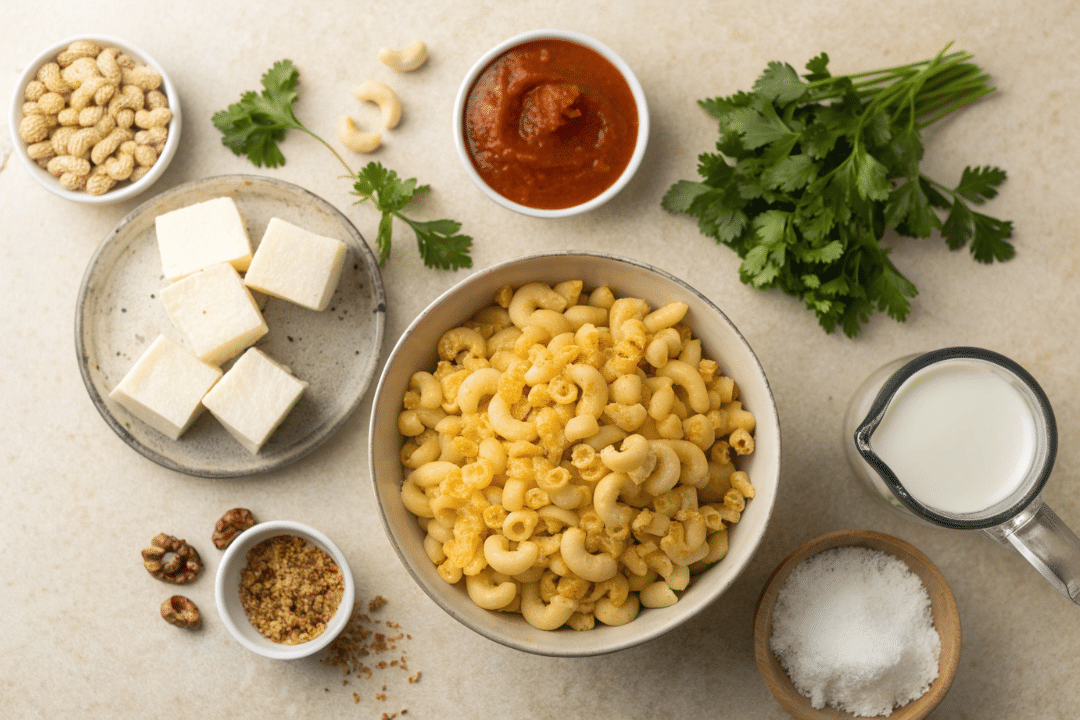
Here’s what I grab at the store to guarantee a rich, silky sauce and lots of melt-in-every-bite goodness.
Pasta Shapes that Hold Sauce
Choose short, ridged shapes so every groove grabs the sauce. I favor cavatappi, elbows, or shells.
Cook the pasta to al dente so that it retains its bite after baking or reheating.
Cheese Picks that Melt Smoothly
Use a blend: white cheddar for tang, mozzarella or Monterey Jack for stretch, and fontina for extra silk.
Measure shredded cheese by the cup after grating. Freshly grated melts smoothly and avoids clumps.
Red Curry Paste, Garlic, and Ginger: the Aromatic Trio
Red curry paste, grated ginger, and 4–5 garlic cloves create the backbone of the dish. I grate 2–3 teaspoons of ginger for brightness and use 4–5 cloves of garlic to perfume the sauce without overpowering it.
Why Full-Fat Coconut Milk Matters
- Use a 13.5-ounce can of full-fat coconut milk for the body; lite versions thin the sauce and won’t coat pasta as well.
- Have about 1 cup of milk ready to blend with the can for balance if you’re not entirely dairy-free.
- Reserve a splash of pasta water to thin the sauce at the end without losing sheen.
- Keep salt and pepper nearby; season the base lightly, then taste and adjust the seasoning after the cheese is added.
Coconut Curry Mac and Cheese (Stovetop Version)
If you want creamy, serve-hot comfort fast, the stovetop route is your friend. I walk you through a clear, no-fuss method that stays glossy and stable.
Cook Pasta al Dente According to Package Directions
Boil the pasta in well-salted water. I stop a minute shy so it finishes in the sauce. Drain, reserve a cup of pasta water, and set the pasta aside.
Build a Roux in a Wide skillet Over Medium Heat
In a wide skillet, melt butter or ghee over medium heat. Sprinkle in flour and stir until it becomes a smooth paste. Add red curry paste and a touch of garlic. Stir gently to bloom the aromatics without browning.
Whisk in Coconut Milk and Milk until Glossy
Slowly whisk in coconut milk, then the regular milk, keeping the heat moderate. Let the mixture thicken to a gentle bubble and a glossy nappe. Take the pan off the heat to protect the emulsion.
Off the Heat: Add Cheese, Fold in Pasta, and Serve Hot
Add shredded cheese in handfuls, stirring until entirely melted and velvety. Taste and adjust with a small pinch of salt. Fold in the pasta, loosening with a splash of reserved water or milk if needed. Plate right away and serve hot—this is when the texture is at its peak.
Reheat gently over low heat, whisking in a small cup-splash of milk to bring the sauce back to silky in a minute or two.
Baked Red Curry Mac and Cheese with Crispy Panko Topping
The oven version transforms a creamy sauce into a showstopper, complete with browned edges and a crunchy top. I like this for guests—there’s texture and a warm, pull-apart center.
Start by cooking pasta 1–2 minutes less than the package directions, so it finishes in the oven. Spread the drained pasta in a 9×13-inch dish so that it doesn’t clump in the corners.
Make a roux in a skillet over medium heat, then stir in the red curry paste. Slowly whisk in the full-fat coconut milk to keep the sauce lump-free and satiny. Remove the pan from the heat before adding the cheese, allowing the cheese sauce to melt smoothly without separating.
- Pour the sauce over the pasta and toss to coat every piece—no dry pockets.
- Top with plain panko for a classic crunch, or swap in chopped peanuts and toasted coconut for a Thai-inspired twist.
- Bake covered first to heat through, then uncover and bake until browned and bubbly—about the last few minutes on higher heat to crisp the top.
Let the dish rest a minute before scooping. That pause helps the sauce settle, making it easier to serve. This recipe is easy to prep ahead—assemble, chill, then finish in the oven when guests arrive.
Pro Tips to Keep the Sauce Creamy, Never Grainy
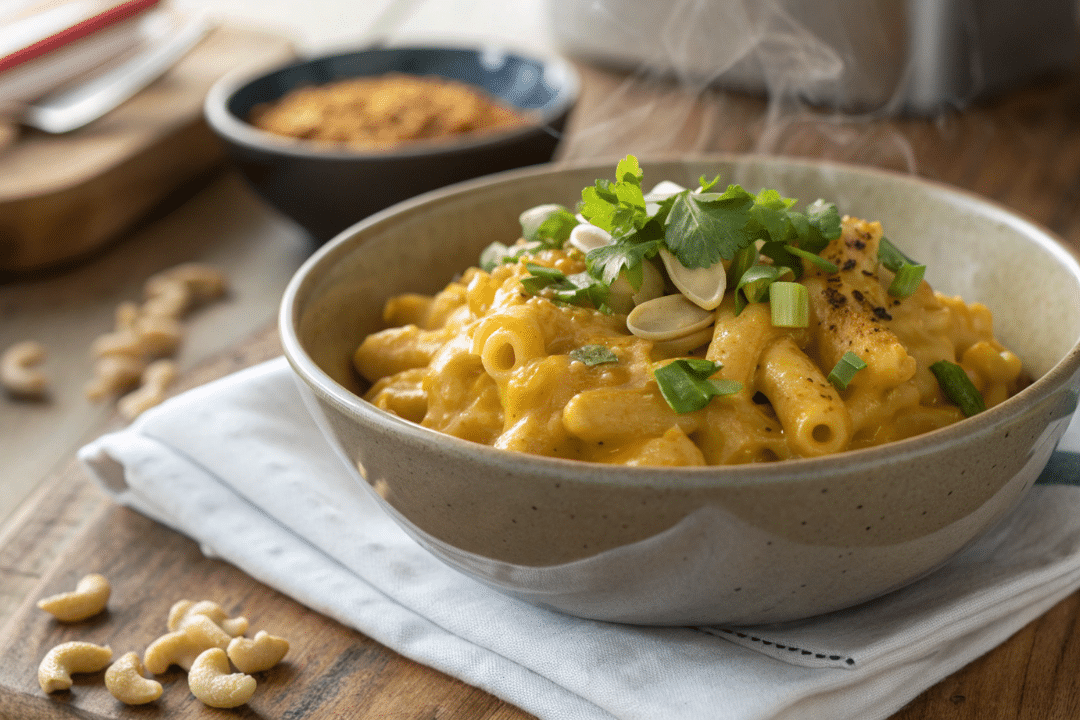
Small technique shifts make a huge difference when you want a silky sauce that never turns grainy. I keep steps simple so you can fix texture issues before they start.
Slow liquids, Steady Whisking
Warm your roux gently, then whisk while slowly adding the coconut milk. Patience here keeps the emulsion smooth and glossy.
Control the Heat and Bloom the Paste
Keep the pan at medium heat; high heat can cause the dairy to split and make the sauce gritty. Bloom red curry paste in butter or oil first to deepen flavor and cut raw spice notes.
- Grate cheese fresh—pre-shredded blends often contain anti-caking agents that can make the sauce grainy.
- Add cheese off the heat, in small handfuls, stirring until silky each time.
- If the sauce appears thick, whisk in a splash of milk; if it’s too thin, simmer briefly while whisking until it coats the spoon.
- Use a wide skillet for even thickening and more control.
- Season lightly with cheese, then finish with pepper and a hint of garlic if you prefer a gentle bite.
Flavor Upgrades and Add-ins that Play Well with Curry
A few smart swaps and mix-ins can lift the whole pan from good to unforgettable in minutes. I prefer to finish delicate items late so the sauce remains silky while the textures stay bright.
Veggie Boosts
Stir in a cup of steamed peas at the end for a sweet pop that balances savory notes. Toss in roasted broccoli or cauliflower florets for heft; they soak up sauce without getting soggy.
Dice the roasted carrots into small pieces for color and gentle sweetness. A handful of chopped tomatoes adds brightness—drain them so the sauce keeps its body.
Protein Options
Go protein-forward with sautéed shrimp, shredded rotisserie chicken, or seared pork. Add these at the end to keep them tender. If baking, tuck proteins evenly through the pasta so every scoop has both sauce and meat.
Heat Dialers and Finishing Crunch
Want more kick? Stir in extra red curry, or finish with red pepper flakes or a pinch of cayenne. A sprinkle of toasted coconut or crushed peanuts gives great crunch when you skip a baked topping.
- Keep add-ins bite-sized so they distribute and stay coated.
- Taste after mixing; proteins and vegetables shift the seasoning—then adjust the salt or spice.
- For vegan swaps or other ideas, see these one-pot vegan recipes for inspiration: one-pot vegan recipes.
Easy Dairy-Free or Gluten-Free Swaps
You don’t have to sacrifice creaminess to cook plant-based or gluten-free—here’s how I do it. These swaps keep texture bright and make the dish weeknight-friendly.
Vegan Path: rich, Stretchy Sauce
Use full-fat coconut milk plus a splash of water and whisk in nutritional yeast for savory depth. Stir in tapioca starch for stretch and cornstarch for body.
Mix the starches into cold coconut milk first to prevent lumps. Season with lemon juice, paprika, onion powder, garlic powder, and a pinch of turmeric.
Gluten-Free Pasta and Thickening
Choose a GF pasta you like and cook it just shy of al dente according to package directions. The sauce is naturally gluten-free when thickened with starch, not flour.
- Simmer gently while stirring until glossy, then remove from heat before tossing with pasta.
- If baking, add a splash more water before putting the oven on to prevent drying.
- Many red curry pastes are vegan, but be sure to check the labels for fish or shrimp ingredients.
| Swap | Why I use it | Quick tip |
|---|---|---|
| Full-fat coconut milk | Rich mouthfeel without dairy | Whisk starch into cold milk first |
| Tapioca + cornstarch | Stretch and body | Add slowly, simmer a few minutes |
| GF pasta | Holds sauce when not overcooked | Cook according to the package, stop early |
Finish with herbs and a squeeze of lemon—those little bright hits make a vegan version sing in under ten minutes per final step.
Serving Ideas and Garnishes that Add Crunch and Freshness
I love topping a warm bowl with herbs and crunch—the contrast makes every spoonful sing. A few quick finishes lift the sauce and keep the plate bright.
Fresh Herb and Nut Finishes
Shower chopped cilantro, sliced scallions, and torn Thai basil over the top for instant brightness. I use cilantro twice in bigger platters so the flavor comes through without overpowering the dish.
Crush peanuts or toasted nuts and scatter them right before serving so the crunch stays lively. Crack fresh pepper over everything for a gentle kick.
Sides that Balance Richness
Serve with a crisp green salad—iceberg or romaine with a zippy vinaigrette cuts through the milk-rich sauce nicely.
Lemony asparagus or quick-marinated zucchini add acidity and snap. Grill shrimp or chicken if you want to stretch this into a fuller meal.
- Warm bowls keep the sauce silky from first bite to last.
- If you skipped baking, herbs and nuts create that “crunchy top” moment without heat.
- Pass extra herbs and peanuts family-style so everyone finishes their own bowl.
| Garnish | Why it works | Serving tip |
|---|---|---|
| Cilantro | Bright, herbal lift | Chop just before serving |
| Crushed peanuts | Crunch and savory contrast | Sprinkle at the last second |
| Thai basil & scallions | Anise and onion notes | Tear basil, thin-slice scallions |
Make Ahead, Storage, and Reheating Without Losing the Sauce
A little care in storage and reheating helps keep the glossy, spiced sauce intact. I plan my leftovers so they arrive at the table with the same silky mouthfeel.
Store portions in airtight containers in the fridge for 3 to 5 days. For longer holds, freeze up to 3 months and thaw overnight in the fridge before reheating.
Fridge and Freezer Pointers for the Best Texture
- Keep pasta and sauce separate for make-ahead servings when possible.
- Label containers with date and portion size so you reheat only what you need.
- Thaw frozen pans overnight in the fridge before warming.
How to Reheat Gently and When to Add a Splash of Milk or Water
Reheat on low heat on the stovetop, stirring often. Add 1–2 tablespoons of milk or water to restore creaminess.
If using a microwave, heat in short bursts and stir between each minute, adding a teaspoon or two of liquid to prevent the mixture from drying. For baked leftovers, stir in a small splash of milk, cover, and warm through. Then, uncover and crisp in the oven for a few minutes.
| Storage | Window | Reheat tip | Fix if separated |
|---|---|---|---|
| Fridge | 3–5 days | Low stovetop, stir often | Whisk in a teaspoon of milk over gentle heat |
| Freezer | Up to 3 months (thaw overnight) | Warm covered, then crisp in the oven | Add 1–2 tablespoons of water, whisk gently |
| Make-ahead (separate) | 3–5 days refrigerated | Combine and warm with added liquid | Slow heat and small splashes of milk |
Conclusion
You can make a weeknight standout with just a few smart steps. I use a reliable base—bloomed curry paste, a warm roux, full-fat coconut milk—then finish with fresh-grated cheese or a vegan swap. Choose stovetop for silky, immediate comfort or bake for a bubbly top. Both paths start with the same thoughtful technique and give a dependable curry mac every time. This versatile dish fits weeknights, casual dinners, and small gatherings. Try the tweaks in these recipes to match your pantry and taste. I look forward to hearing how you make it your own.
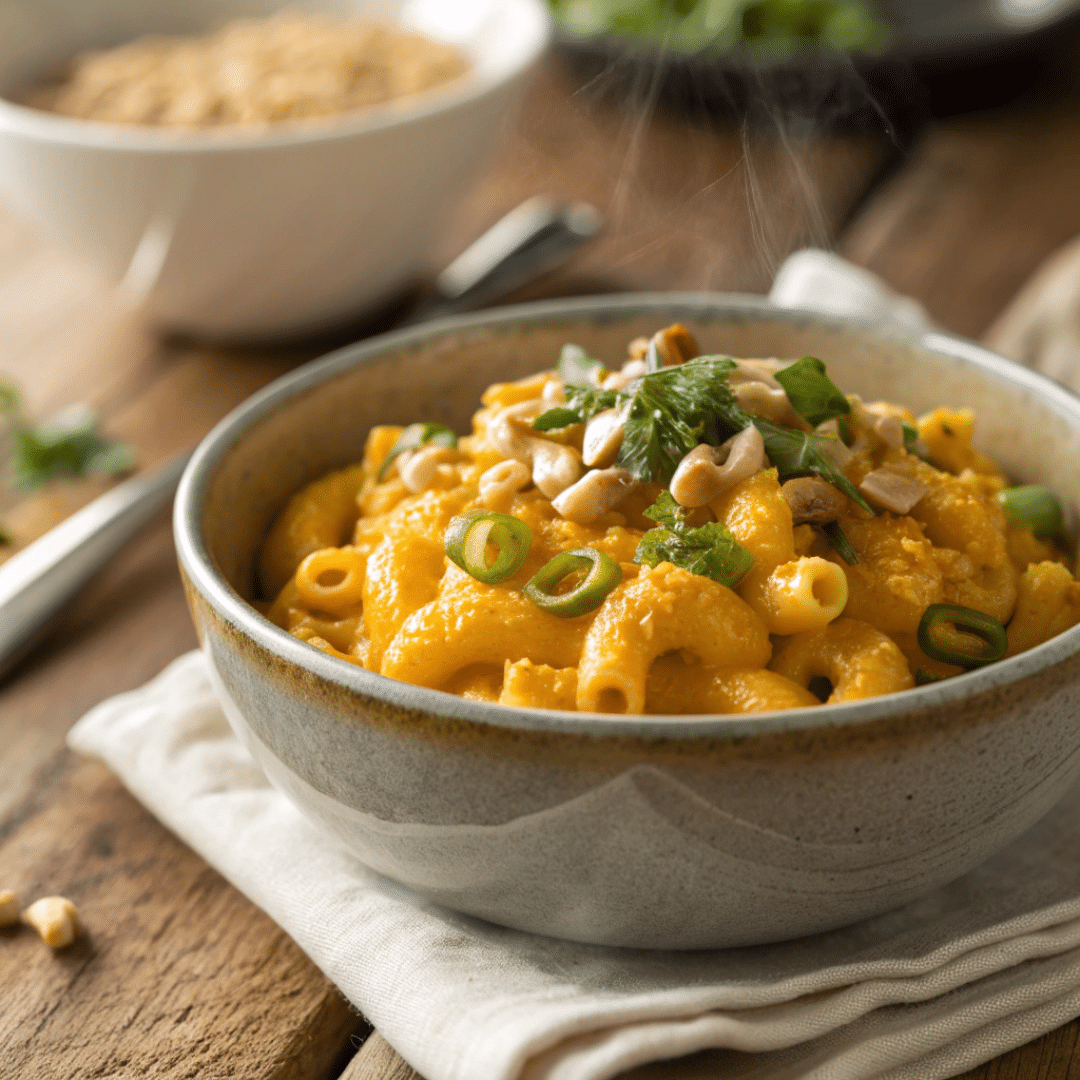
Coconut Curry Mac and Cheese
Ingredients
Method
- Boil pasta in salted water until al dente, drain, and reserve 1 cup pasta water.
- Melt butter or ghee in a wide skillet over medium heat.
- Sprinkle in flour and stir to form a smooth paste (roux).
- Add red curry paste, garlic, and ginger to bloom aromatics.
- Slowly whisk in full-fat coconut milk and whole milk until glossy.
- Let sauce gently bubble while whisking until slightly thickened.
- Remove pan from heat and add shredded cheese in small handfuls.
- Stir continuously until the sauce becomes silky and smooth.
- Season lightly with salt and black pepper to balance flavor.
- Fold cooked pasta into the sauce until fully coated.
- Add splashes of pasta water if the sauce needs thinning.
- Serve immediately while creamy and hot.
- For baked version, transfer pasta to a dish, top with panko, and bake until browned.
- Rest briefly before scooping to let sauce settle.
Notes
FAQ
What makes this coconut curry mac and cheese different from regular mac and cheese?
Can I use light coconut milk instead of full‑fat?
Which pasta shapes work best?
What cheeses should I use for smooth melt and good flavor?
How do I avoid a grainy sauce?
Can I make this on the stovetop or bake it?
How much red curry paste should I use?
Any tips for adding vegetables or protein?
Are there good dairy‑free or gluten‑free swaps?
How do I store and reheat leftovers without drying the sauce?
Can I prep parts ahead to save time?
What garnishes and sides lift the dish?
About The Author

John
John Watson is the passionate food enthusiast behind MePlusFood.com. With a deep love for exploring culinary delights, he shares honest restaurant reviews, mouthwatering recipes, and culinary adventures. Join John on his flavorful journey to savor the world one bite at a time.