My Creamy Vegan Borscht with Coconut Cream Recipe
I built this vegan borscht with coconut cream as a potato-forward soup that feels homey and a little adventurous. I use one beet for color, then remove it, so the bowl reads warm orange-gold instead of earthy red.
The base cooks down into a jammy tomato-onion mix, then I sweat cabbage, green pepper, and garlic until soft. Hot russet potatoes get mashed with vegan butter and a splash of coconut cream, which gives the soup a silky body you can taste in every cup.
I fold in fresh dill and a spoonful of sauerkraut off the heat for bright tang, and I often add a teaspoon of apple cider vinegar. This version chills well and tastes best on day two; it reheats gently and freezes up to three months for easy meals.
For more one-pot ideas, try this one-pot collection that pairs nicely with hearty bowls like this.
Key Takeaways
- Potatoes create the creamy texture; one beet provides color, not overpowering earthiness.
- The jammy tomato-onion base gives deep vegetable flavor and a warm color.
- Mash hot potatoes with vegan butter and coconut cream for a silky finish.
- Fresh dill and sauerkraut add brightness; a touch of vinegar lifts the taste.
- Makes 4–6 servings, scales to large batches, and improves on day two.
Why this Beet Soup Hits that Cozy, Creamy Sweet Spot
What makes this bowl cozy is how a simple technique turns humble ingredients into something luxurious. I mash hot Russet potatoes into the broth so the starches emulsify with a little fat and create a silky body that feels like real cream.
The base starts with tomatoes and onions cooked down until jammy. That concentrated mix adds deep umami and a gentle sweetness that balances the vegetables and lifts the overall flavor.
- I add one beet mostly for color, then remove it to avoid a beet-heavy taste.
- Fresh dill goes in at the end, so its perfume stays bright and alive.
- Uniformly diced veggies mean even cooking and a tender, intentional texture.
A tiny splash of acid right before serving sharpens the taste without stealing warmth. Letting the pot rest off the heat for a few minutes helps the flavors settle, so every spoon carries that steady, comforting heat you want in a night-time bowl.
The Doukhobor-Inspired Twist: Potato-Forward Borscht, Coconut Cream, and Fresh Dill
Rooted in prairie kitchens, this version uses potatoes as the backbone and a single beet for tint. Doukhobor communities in British Columbia and southern Saskatchewan traditionally made a vegetarian, hot bowl that relied on butter and cream for richness. I keep that method but swap in plant fats to mirror the mouthfeel.
What sets it apart from classic beet-heavy beet soup is the technique. The base is a jammy tomato-onion sauté. Then, cabbage, green pepper, and garlic are sweated gently so the cabbage stays sweet and soft.
- The whole beet steeps the broth to give color, then I pull it out so the pot stays savory, not earthy.
- Potatoes are boiled until tender and mashed hot with vegan butter and a touch of coconut cream to create body, not just thickness.
- This approach highlights the vegetables—onion, carrots, celery—so flavor comes from balance, not beet dominance.
It’s practical too: you can simplify to two pots, stretch a recipe to feed 10–12 people, and expect it to taste even better the next day. Every cup tells the same story—simple steps, layered flavor, and a silky finish that surprises you.
Ingredients for a Creamy, Potato-Forward Bowl (Plus Smart Swaps)
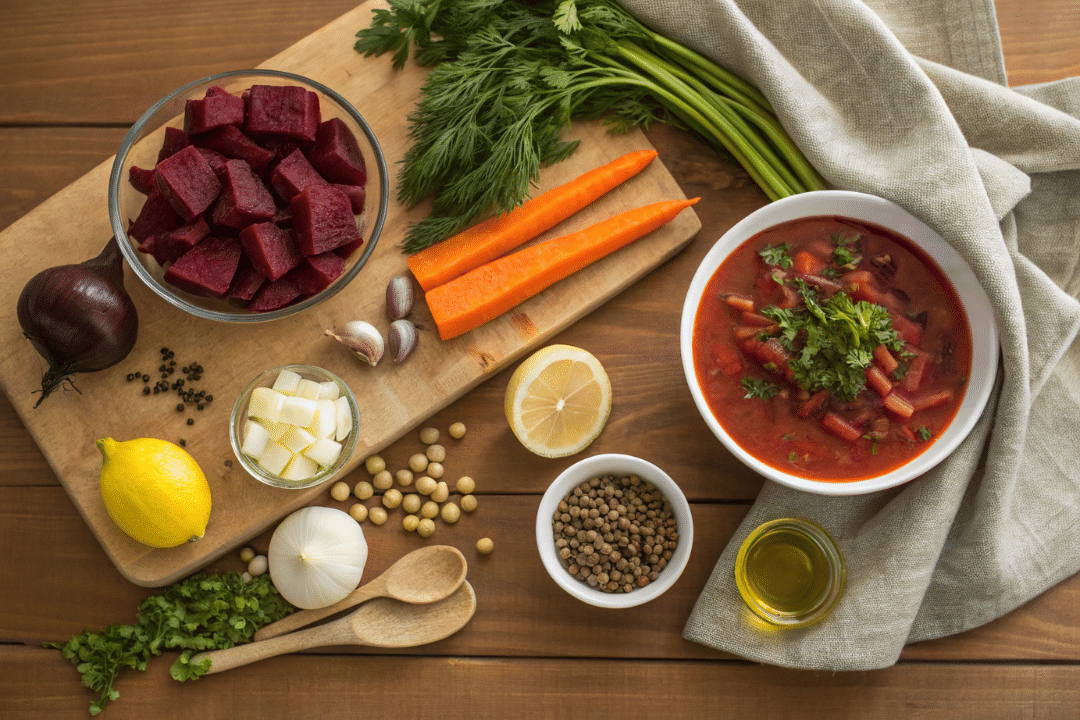
A tight, smart ingredient list makes this bowl easy to cook and easy to love. Below, I list core produce, pantry basics, and small swaps that lift the flavor while keeping prep simple.
The Core Produce
- Shredded green cabbage — de-stem and slice fine so the cabbage softens evenly.
- Russet or yellow potatoes — some halved for mashing, a few diced for tender bites.
- One small beet for color; keep it whole while it infuses, then remove.
- Onions (yellow) and green onions for depth and finish.
- Carrots (grated and chopped) and celery for the classic mirepoix trio.
- Green bell pepper and a 28-ounce can of diced tomatoes (drained if you want a faster jam).
- Fresh dill for the final lift.
Pantry, Fats, and What They Do
Chill a can of coconut so you can scoop the solid top. Scoop about one cup of the solid part to mash into hot potatoes. I use Earth Balance vegan butter for sheen and flavor.
Salt and water do heavy lifting for seasoning and extraction. Add salt at key stages to boost, not collapse, the vegetables.
Optional Add-Ins and Swaps
- Sauerkraut or 1–2 tsp apple cider vinegar or lemon juice at the end for tang.
- Vegan sour cream for serving; crusty gluten-free bread or boiled potatoes on the side.
Prep Notes and Tools that Matter
Dice vegetables uniformly so everything finishes at the same time. De-stem cabbage and discard tough leaves. Chill the can overnight to get solid coconut for mashing.
Tools I rely on: a large soup pot or stock pot, a large nonstick skillet, a sturdy potato masher, a ladle, a slotted spoon, measuring cups, cutting boards, and sharp knives.
Step-by-Step: From Sauté to Simmer to Silky Mashed Potatoes
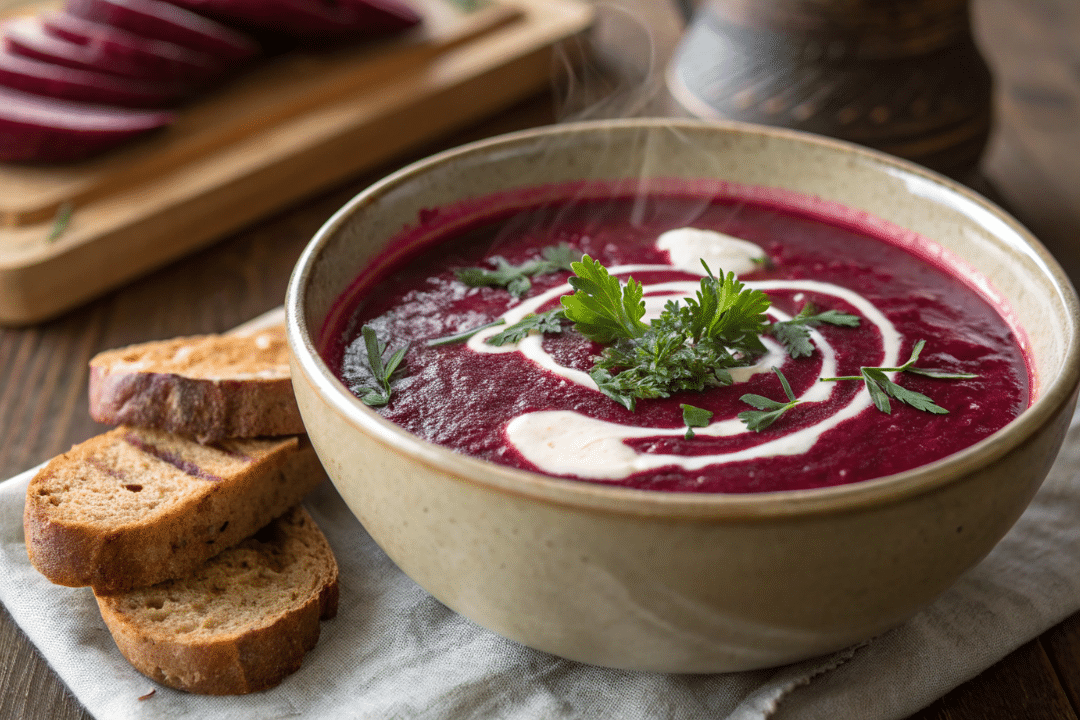
Start by coaxing flavor from tomatoes and half an onion over medium heat until the pan reads jammy and sweet. Mash gently as they cook — about 15 minutes — until the mixture clings to a spoon and water has mostly cooked off.
In a skillet, sweat the cabbage, the other half of the onion, and green pepper in a tablespoon of vegan butter over medium heat for 10–12 minutes. Add garlic at the end so it stays bright. The goal is soft, not browned.
- Transfer the sautéed mix to a large pot. Add water, a generous pinch of salt, the whole beet, halved potatoes, carrots, celery, green onions, and remaining vegetables.
- Cover slightly ajar and bring to a steady boil. Cook about 23 minutes, until potatoes are fork-tender.
- Remove the tender potatoes to a bowl. Add vegan butter and a cup of the solid canned top, then mash hot until smooth and glossy.
- Stir the mashed potatoes back into the soup; the starch will thicken the broth naturally. Fish out and discard the beet.
- Off heat, fold in fresh dill and a spoonful of sauerkraut. Let the pot sit partially covered for 15–20 minutes so flavors settle, and the body develops.
Taste, then fine-tune with 1–2 teaspoons apple cider vinegar or lemon and a final pinch of salt. If you prefer thinner soup, add water a cup at a time. Watch cues: jammy tomatoes, pale soft cabbage, and a glossy, spoon-coating finish signal you’re done.
Pro Tips For Color, Flavor, and Timing that Pay Off
I focus on timing and gentle heat so the vegetables soften without losing their bright flavors. Small, deliberate steps make a homey pot feel purposeful and refined.
Heat and Minutes
Use medium heat to coax the tomatoes into a jammy base. Simmer the pot gently so the color deepens, and the cabbage stays pale and sweet.
Be patient with beets; they need steady simmering minutes to tint the broth. Give potatoes about 23 minutes to reach fork-tender.
Flavor Layering
Add salt early to the cooking water to extract flavor, then hold back when sweating onions and cabbage so they remain sweet. Add dill off the heat to keep its brightness.
Finish with a splash of acid and sauerkraut at the last step to lift the whole bowl.
Texture Control
Mash hot potatoes into the soup—this creates body without extra dairy. If the soup tightens overnight, loosen it with a few cups of hot water while reheating over medium heat.
| Step | Purpose | Timing Cue |
|---|---|---|
| Sauté tomatoes | Concentrate flavor and color | 15–20 minutes, pan reads jammy |
| Simmer the whole beet | Infuse tint without earthiness | Until broth shows color, 20–30 minutes |
| Boil potatoes | For mashing and body | About 23 minutes, fork-tender |
Serve it Right: Bowls, Toppings, Sides, Storage, and Freezing
Serve this hearty soup in deep bowls and let a few thoughtful finishes lift each cup. Small touches make weeknight food feel special. I keep things simple so guests can personalize their bowl.
What to Put on Top
I like a dollop of sour cream and a sprinkle of fresh dill on top. Add a fresh crack of black pepper for warmth.
On the Side
Bring crusty bread and plant-based butter to the table. A few crunchy dill pickles make a bright side that echoes the soup’s tang.
For gluten-free diners, serve gluten-free bread or a small cup of the soup alongside a baked potato for dipping.
Make-Ahead, Reheat, and Freeze
This soup tastes better the next day. Store cooled soup in airtight containers for up to a week in the fridge.
To reheat, warm gently over medium heat in the pot. Add a splash of water if it has thickened in the fridge.
Cool completely before freezing. Freeze in single-serving cups or freezer bags for up to three months. Thaw in the fridge overnight, then rewarm slowly.
- Finish each bowl with a spoonful of sour cream, fresh dill, and black pepper.
- Serve with warm bread and butter; pickles are a perfect side.
- Freeze single servings for easy lunches and minimal waste.
| Storage | Fridge | Freezer |
|---|---|---|
| Time | Up to 1 week | Up to 3 months |
| Reheat | Medium heat in a pot; add water if needed | Thaw overnight, reheat gently |
| Best use | Next-day flavor | Quick lunches, single cups |
Conclusion
A steady pot, a few clear steps, and common ingredients bring this recipe to life. I lean on jammy tomatoes, sweated cabbage, and a single beet that tints the broth before I remove it.
Mashing hot potatoes into the pot gives the soup body. I fold in dill and a spoonful of sauerkraut off the heat for bright flavor. A squeeze of vinegar or lemon sharpens the finish if you like.
This borscht is forgiving. Reheat gently over medium heat and add a splash of water if it tightens in the fridge. Serve hot with a swirl of sour cream and warm bread.
Keep notes on cups, salt, and time. Tweak and make it yours—this beet soup rewards both care and curiosity.
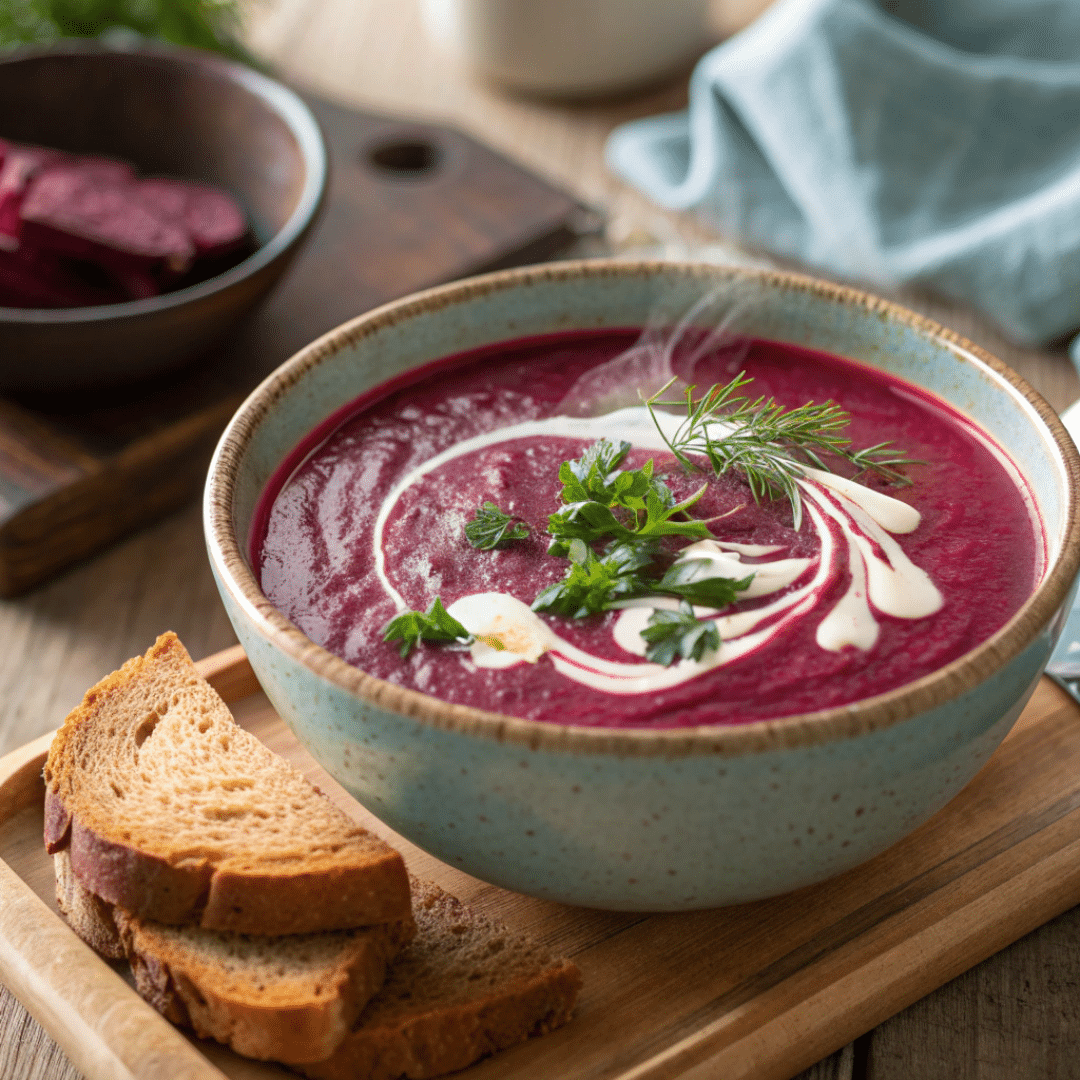
Creamy Vegan Borscht
Ingredients
Equipment
Method
- Sauté half of the onion with diced tomatoes over medium heat for 15–20 minutes until jammy and slightly reduced.
- Mash gently while cooking to concentrate flavor and achieve a thick, clinging base.
- In a skillet, sweat the cabbage, remaining onion, and green pepper in 1 tbsp vegan butter over medium heat for 10–12 minutes until soft. Add garlic at the end.
- Transfer sautéed vegetables to a large pot. Add water, pinch of salt, whole beet, halved potatoes, carrots, celery, green onions, and tomatoes.
- Cover partially and bring to a steady boil. Cook about 23 minutes until potatoes are fork-tender.
- Remove halved potatoes to a bowl. Mash hot with vegan butter and coconut cream until smooth and glossy.
- Stir mashed potatoes back into the soup to thicken naturally. Remove and discard the beet.
- Off heat, fold in fresh dill and optional sauerkraut. Let the pot rest partially covered for 15–20 minutes to develop flavor.
- Taste and adjust with apple cider vinegar or lemon juice, plus a final pinch of salt. Thin with water if desired.
- Serve with a dollop of vegan sour cream, sprinkle of fresh dill, and a crack of black pepper. Accompany with crusty bread or pickles if desired.
Notes
FAQ
What makes this creamy beet soup different from classic recipes?
How do coconut cream and vegan butter work together here?
Can I make this soup gluten-free and still serve it with something satisfying?
What are smart ingredient swaps if I don’t have everything on hand?
How do I get the best color from the beets without staining everything?
What’s the ideal timing and heat for simmering the vegetables?
How do mashed potatoes add creaminess without dairy?
Can I prepare this ahead of time and freeze it?
What toppings and sides do you recommend?
Any tips for seasoning so the balance is right?
About The Author

John
John Watson is the passionate food enthusiast behind MePlusFood.com. With a deep love for exploring culinary delights, he shares honest restaurant reviews, mouthwatering recipes, and culinary adventures. Join John on his flavorful journey to savor the world one bite at a time.