My Favorite Black Bean Breakfast Sausages for a Protein-Packed Morning
I started making my own black bean breakfast sausages when I wanted that herby, savory hit without processed meat. The aroma of sage, thyme, and smoked paprika hitting a warm pan or oven sheet is the kind of small joy that wakes me up better than coffee.
I mash the beans by hand to keep little bits that mimic classic crumble, then bind with oat or coconut flour and a splash of maple for caramelized edges. I bake on parchment, flip once, and choose quick-hot roast for 16 minutes or gentler heat for 25–30; both give crisp edges and tender centers.
This recipe lives in my weekly rotation because it’s fast, meal-prep friendly, and truly high protein when you count the beans and oats. I’ll show simple swaps—oil-free, soy-light, and pantry-friendly binders—so you can make patties that fit your morning routine.
Key Takeaways
- Use hand-mashed beans for a texture that resembles classic sausage crumble.
- Season with sage, thyme, smoked paprika, garlic, and a touch of maple.
- Bake on parchment and flip once: 16 minutes at 450–475°F or 25–30 minutes at 400°F.
- Oat or coconut flour and breadcrumbs work as binders; nondairy milk replaces oil.
- Make a batch for the week; refrigerate up to 3 days or freeze up to 6 months.
Why I reach for Bean-Based Breakfast Sausage Patties Right Now
Some mornings call for food that feels like comfort and also fuels the day; that’s where these patties come in.
High-Protein, Low-Fat Fuel without the Mystery Meat
I want a savory start that holds me until lunch. These patties give steady energy, fiber, and real protein without excess fat.
Macros change with binders, but examples run from about 126 kcal (~7.8g protein per two patties) up to 214 kcal (~11.5g). That flexibility makes them easy to tweak for training days or slow mornings.
Classic Flavor from Simple Plant Ingredients
The seasoning hits familiar sausage notes—sage and thyme up front, with smoked paprika, garlic, and onion powder filling the gaps. Baking on a hot sheet and flipping once creates the moist-inside, crisp-outside texture I want; frying often makes them too soft.
- I skip oil by using nondairy milk or water, and use coconut aminos in place of soy.
- Controlling the ingredients means no fillers and pantry staples I trust.
- When I want variation, I pair two breakfast sausage patties on toast with greens and hot sauce.
For more veggie patty ideas, check my take on vegan breakfast recipes for inspiration.
Black Bean Breakfast Sausages: Ingredients, Method, and Baking Times
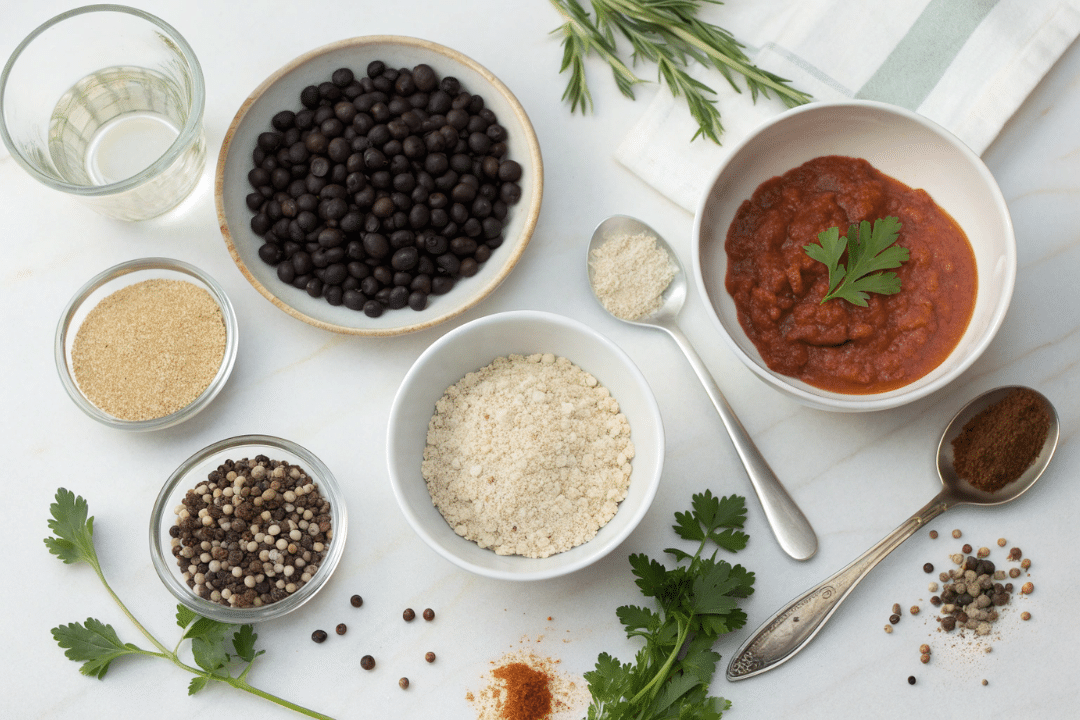
I love turning a simple can of pinto beans into savory patties that crisp at the edges and stay tender inside. Below I lay out the ingredients and exact steps I use so you can make consistent results at home.
What You’ll Need
Gather these ingredients in a bowl: 1 can pinto beans (reserve 2 tablespoons liquid optional), 3 tablespoons breadcrumbs or oat flour (or 2 tablespoons coconut flour), 1 tablespoon maple, 2 teaspoons soy sauce, 2 teaspoons garlic powder, 2 teaspoons onion powder, 1 teaspoon sage, 1 teaspoon smoked paprika, plus rosemary, thyme, red pepper flakes, salt, and pepper.
Prep and Bake
- Mash by hand—leave some intact bits. Don’t puree; that makes the patty gummy.
- Add binder by tablespoon until the mixture holds when pressed. Add a splash of liquid if coconut flour dries it out.
- Preheat oven to 450–475°F, line baking sheet with parchment paper, and shape 6–8 even patties about 1/4–1/2 inch thick.
- Bake 8 minutes, flip, then bake minutes again (another 8) at high heat; or bake 25–30 minutes at 400°F, flipping once for a gentler finish.
For oil-free or soy-light swaps, use nondairy milk and coconut aminos. For more veggie ideas, see my take on vegan sausage patties.
| Method | Temp | Total minutes |
|---|---|---|
| Fast roast | 450–475°F | 16 |
| Gentler bake | 400°F | 25–30 |
| Notes | Flip halfway | Use parchment |
Nail the Texture: from Mixture to Patty Without Going Mushy
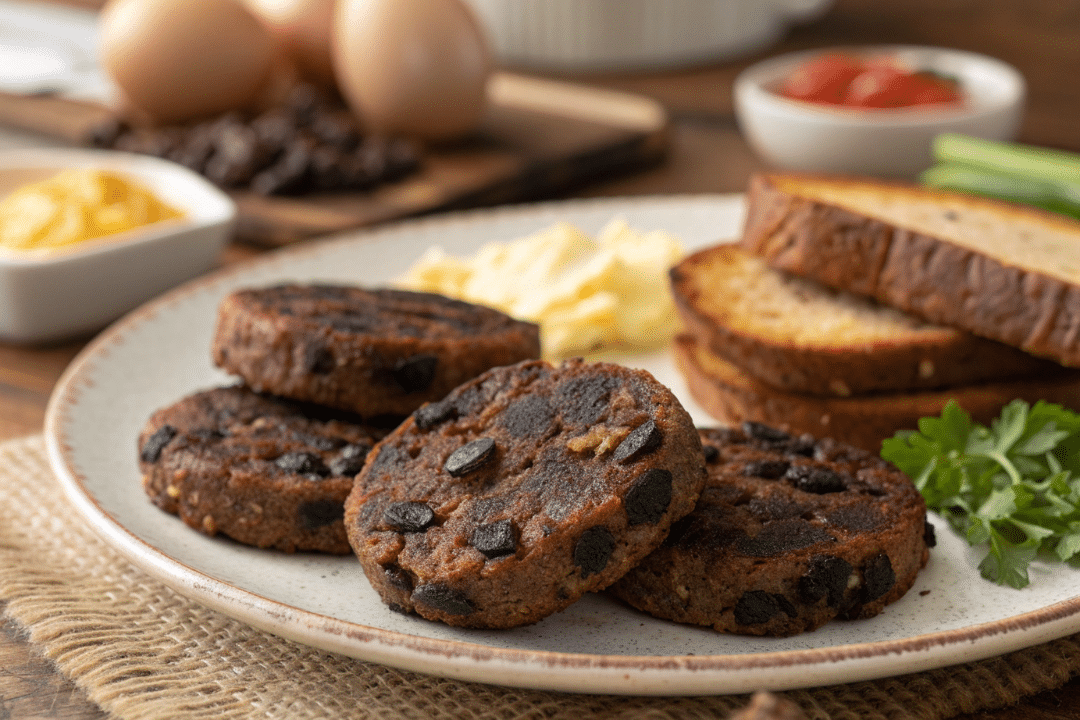
Nailing a firm, juicy patty starts with how the mixture feels in your hand. I keep it tacky but never wet. It should hold when pressed and pull cleanly from your fingers.
Moist Inside, Lightly Crisp Outside
Shape patties about 1/4–1/2 inch thick—I favor roughly 1/3 inch. That thickness cooks through without drying and lets a single flip at the halfway point set a light crust.
Baking at high heat for short minutes builds a crust while preserving the interior. Flip once midway to encourage even browning. Avoid pan-frying; it can push water out and make them mushy.
Binder Choices that Matter
Coconut flour soaks up liquid and yields a tender bite. Oat flour gives structure and a toothy chew for sandwiches.
Breadcrumbs give the classic crumb and crisping; use gluten-free crumbs if needed. If edges spread, add a teaspoon or two more oat flour. If centers feel dry, splash reserved bean liquid or nondairy milk.
Seasoning Cues
Sage and thyme form the backbone. Smoked paprika and garlic powder deepen the savor. I add fennel seed sparingly for a faint “sausage shop” note.
- I keep the mixture tacky but not wet so patties shape cleanly.
- Thickness ~1/3 inch; flip once at the midpoint for even doneness.
- Adjust flour slowly—coconut flour absorbs fast, oat flour builds chew.
| Element | Best option | Effect | Quick fix |
|---|---|---|---|
| Binder | Oat flour | Sturdy chew, holds in sandwiches | Add 1 tsp if too loose |
| Binder | Coconut flour | Tender, soft interior | Splash reserved bean liquid if dry |
| Seasoning | Sage, thyme, smoked paprika | Classic sausage flavor, smoky depth | Adjust to taste by 1/4–1/2 teaspoon |
| Heat & time | High roast, single flip | Crisp outside, moist inside | Flip at halfway; total minutes depend on oven |
Make it Yours: Variations, Serving Ideas, and Nutrition at a Glance
Small swaps change everything—texture, spice, and how these patties show up on the plate. Try one change at a time so you learn how each tweak affects the final bite.
Bean Swaps and Heat
If I want ultra-tender patties, I reach for pinto beans; they mash into a softer, more cohesive mix. For a firmer patty with a deeper color and chew, I use black beans.
To dial heat, I add red pepper flakes in pinches and taste before shaping. Fennel seed is optional for a faint sweet note.
Serving Ideas
My favorite builds: two sausage patties in a toasted sourdough sandwich with garlicky greens and mustard. Or tuck one into a biscuit with maple mustard for a sweet-savory hit.
For cozy plates, top grits with mushroom gravy and a couple of patties. On brunch days, I serve patties with tofu scramble, roasted potatoes, and quick-pickled onion.
- Make-ahead: portion with a 1/4-cup scoop, freeze on a tray, then bag for fast mornings.
- Soy-light swap: use coconut aminos instead of soy; add a pinch of sugar if you want balance.
| Swap | Effect | Quick tip |
|---|---|---|
| pinto beans | Softer, more cohesive | Great for sandwiches |
| black beans | Sturdier, heartier bite | Use for skillet browning |
| Nutrition (per two patties) | ~126–214 calories | Protein ~7.8–11.5g; high fiber |
Conclusion
I love how one quick batch turns pantry ingredients into reliable breakfast sausage you can trust. Mix the beans, herbs, and binder until the mixture holds, shape even patties, line a baking sheet with parchment, preheat the oven, and bake for minutes with one confident flip.
If the texture is too loose, add oat flour by the tablespoon. If it feels dry, stir in reserved bean liquid a splash at a time. Aim for patties about 1/4–1/2 inch thick and flip once for even browning.
For meal prep, refrigerate cooked patties up to 3 days or freeze up to 6 months. Reheat in a 375°F oven for 8–10 minutes or skillet-steam then crisp. Tweak seasoning next time and enjoy a high-protein, vegan breakfast sausage that fits your morning routine.
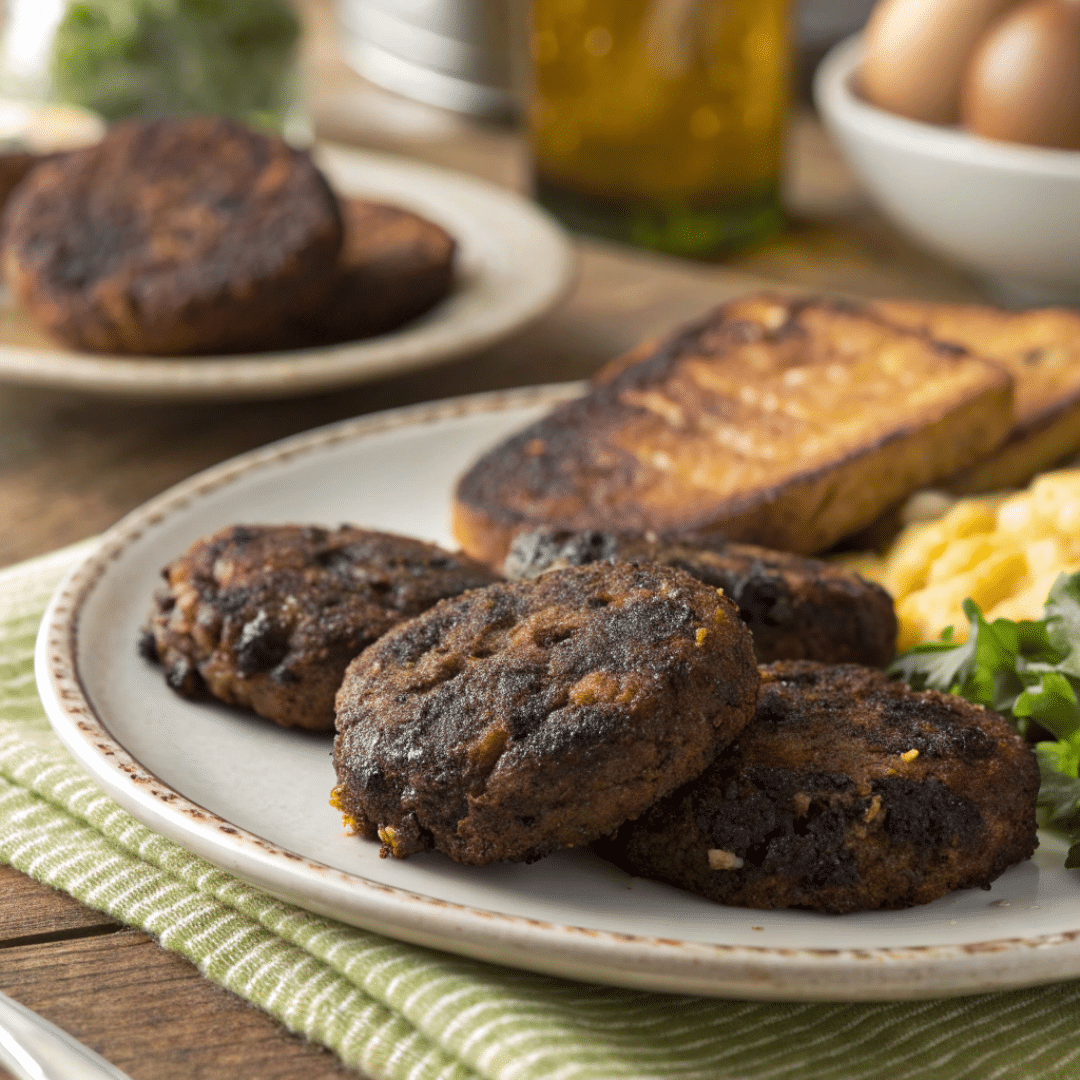
Black Bean Breakfast Sausages
Ingredients
Method
- Drain beans and reserve 2 tablespoons of liquid if desired. Mash beans by hand, leaving some texture; do not puree.
- Mix in binder (breadcrumbs, oat flour, or coconut flour), maple syrup, soy sauce or coconut aminos, garlic powder, onion powder, sage, smoked paprika, rosemary, thyme, red pepper flakes, salt, and pepper. Add reserved liquid if mixture feels too dry.
- Preheat oven to 450–475°F for high-heat baking or 400°F for gentler baking. Line a baking sheet with parchment paper.
- Shape mixture into 6–8 patties about 1/4–1/2 inch thick (around 1/3 inch is ideal).
- For high-heat bake, cook 8 minutes, flip patties, then bake another 8 minutes. For gentler bake, cook 25–30 minutes, flipping once halfway.
- Let patties cool slightly, then serve warm on toast, in a biscuit, or alongside tofu scramble, roasted potatoes, or mushroom gravy.
- Store leftovers in the fridge or freeze portions on a tray for easy morning breakfasts.
Notes
FAQ
What makes these patties a good high-protein, low-fat breakfast option?
Can I substitute pinto beans for the beans called for in the recipe?
How do I get a firm but not mushy texture when forming patties?
What binder should I choose for the best texture and flavor?
Do I need oil when baking the patties, or can I make them oil-free?
What oven temperature and baking time work best?
How do I season the patties to mimic classic breakfast sausage flavor?
Are there soy-free and gluten-free options for this recipe?
Can I make these patties ahead and freeze them?
What are simple serving ideas for these patties?
How do I adjust the recipe to lower sugar and calories?
How much seasoning should I use per cup of mashed beans?
About The Author

John
John Watson is the passionate food enthusiast behind MePlusFood.com. With a deep love for exploring culinary delights, he shares honest restaurant reviews, mouthwatering recipes, and culinary adventures. Join John on his flavorful journey to savor the world one bite at a time.