My Favorite Split Pea Soup with Zaatar Recipe for Cozy Nights
I built this bowl around the lemony-sumac lift of za’atar to turn humble dried legumes into something bright and comforting.
I test both stovetop and the Instant Pot so you can choose fast pressure cooking — about 12–15 minutes high pressure and a short natural release — or a slow, cozy simmer that deepens flavor over time.
I bloom spices early in olive oil or water-sauté to pull aroma forward, then finish with fresh lemon so the dish never tastes flat.
Quality blends from Whole Foods, Sprouts, World Market, or Middle Eastern shops (brands like The Spice Way, Tyme Foods, and Teeny Tiny Spice Co.) make a big difference, and I show safe salt swaps when a blend already adds sodium.
Garnish ideas — extra za’atar, lemon zest, and crunchy toppers — add contrast and make one pot feel like a crafted meal you’ll want again tomorrow.
Key Takeaways
- Use high-quality za’atar and taste before salting.
- Instant Pot gives a creamy texture in about 12–15 minutes under pressure.
- Bloom spices early for layered, cozy flavor.
- Smart swaps let pantry ingredients guide your version tonight.
- Store and reheat safely for breakfasts, lunches, and easy dinners.
- For a tested pressure method, see this Instant Pot recipe for timing and technique ideas.
Why this Cozy Bowl Hits Different on Chilly Evenings
On cold nights, I crave a bowl that smells like the whole house has just been coaxed into comfort. Steam, tender onion sweetness, and that citrus-herb perfume make dinner feel like a small celebration.
The pressure cooker shaves total time into honest minutes and still delivers creamy texture. A Dutch oven does the slow, burbling hour that deepens flavor and soothes the soul. Same ingredients. Different pace. Same reward.
I build layers: sweat the onion for gentle sweetness, warm spices for backbone, then finish with a bright squeeze of lemon. That structure keeps every spoonful balanced and never flat.
- Legumes bring a naturally creamy body, plus protein and fiber that satisfy without extra fat.
- A splash of olive oil adds sheen; you can go oil-free and still get silk by controlling heat and simmer time.
- Herb blends transform aroma—thyme and sumac turn ordinary into magnetic.
| Method | Typical minutes | Texture & best nights |
|---|---|---|
| Instant Pot | 12–15 | Velvety, weeknights |
| Dutch oven | 45–60 | Richer, slow evenings |
| Either | — | Same ingredients, trusted comfort |
Split Pea Soup with Zaatar: the Essentials
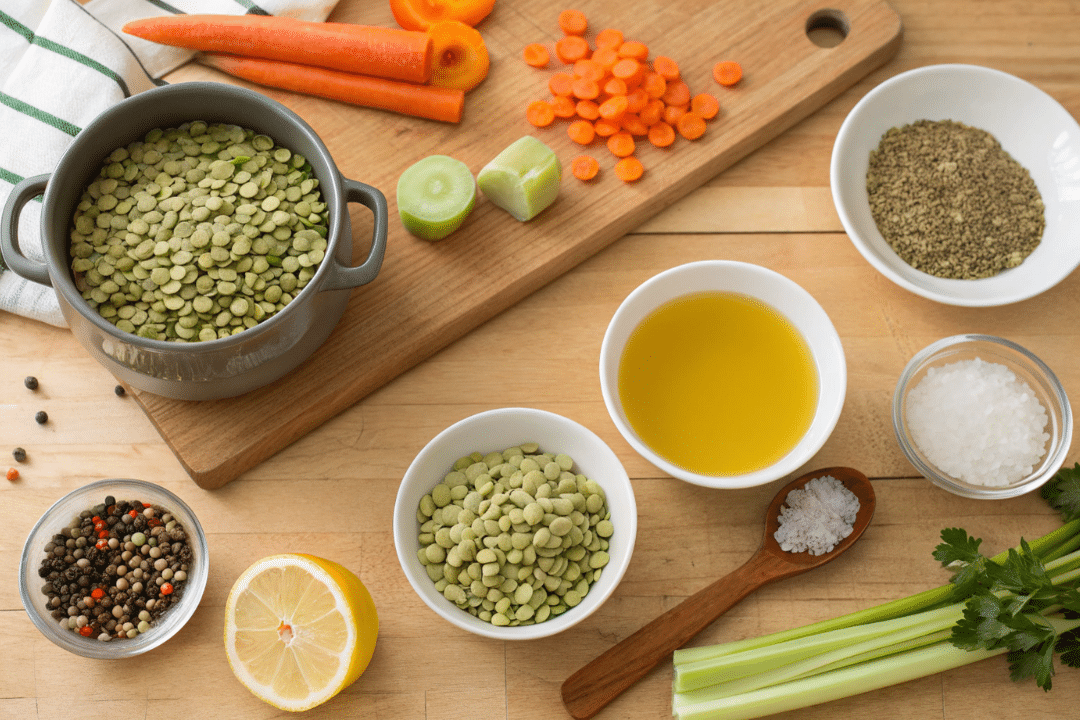
A handful of dried legumes, a hot pot, and a punchy herb blend make weeknight comfort feel intentional and easy.
Ingredient Checklist and Smart Swaps
I keep the pantry lean: green or yellow split peas, onion, garlic cloves, bell pepper, and broth or water. Lemon and a good za’atar mix bring the lift.
- If you lack fresh tomatoes, use one cup of canned diced for acidity.
- Olive oil gives richness; swap in water for oil-free sautéing.
- Turmeric and a pinch of ground black pepper add color and warmth.
Za’atar 101 and How It Shapes Flavor
Typical blends include oregano, thyme, hyssop, sumac, sesame, and often salt. Sumac adds brightness; sesame adds texture. Taste your mix before salting the pot so you don’t over-season.
Tools You’ll Need
A 5–6 qt Dutch oven or an Instant Pot/pressure cooker covers both methods. Add a wooden spoon, ladle, and a sharp knife.
| Method | Typical minutes | Best for |
|---|---|---|
| Instant Pot | 12–15 | Weeknights, velvety texture |
| Dutch oven | 45–60 | Slow, rich flavor |
| Either | — | Same ingredients, different pace |
Step-by-Step: Stovetop and Instant Pot Methods that Actually Work
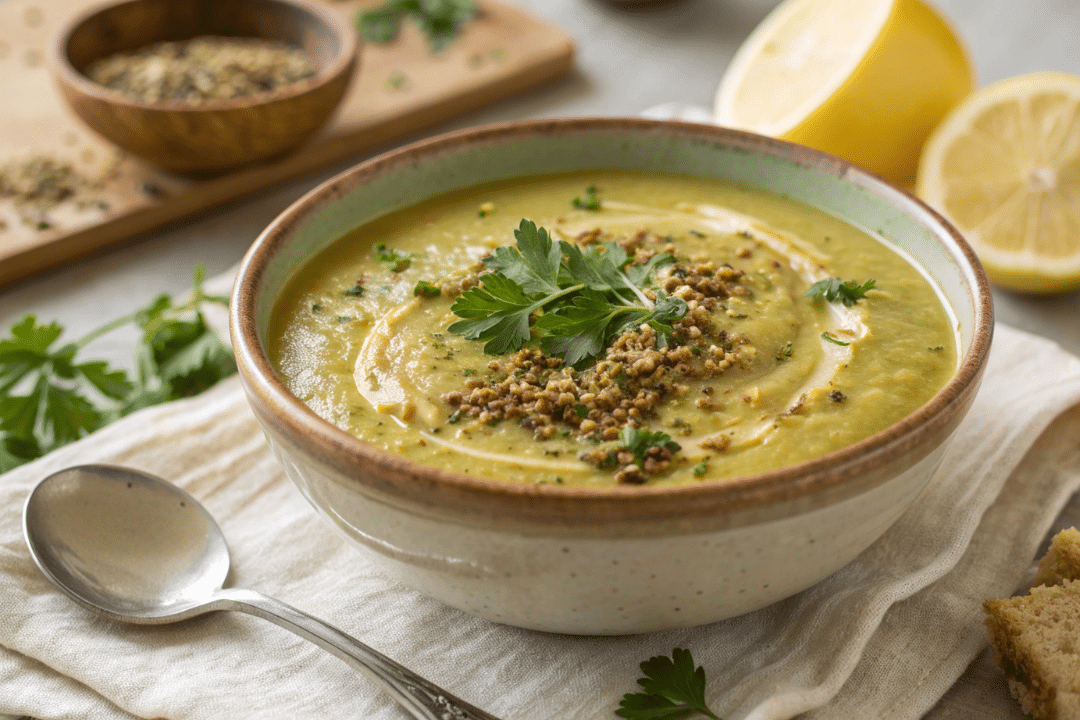
I’ll walk you through two ways to get a cozy, creamy bowl tonight—one slow on the stove and one fast in the pressure cooker.
Stovetop Simmer: Bloom Spices, Timing, and Texture Cues
I heat a bit of oil or a splash of water over medium heat. Then I sweat onion, carrot, and celery for 8–10 minutes until soft and sweet.
Next, I add garlic and ground spice to bloom for 60–90 seconds until fragrant. Stir in split peas, coat them in the aromatics, then add broth or water.
Bring to a gentle boil. Drop the heat to a steady simmer and keep the lid slightly ajar. Cook about 50–60 minutes. The spoon should leave a soft trail, and the body will look glossy.
Instant Pot/Pressure Cooker: Sauté, High Pressure, and Release
Use Sauté to soften aromatics 8–10 minutes, then add spices and peas. Lock the lid and cook at high pressure for 12–15 minutes, depending on how creamy you want it.
Allow a short natural release to calm splatter, then open, remove any bay or thyme stems, and finish with lemon. Taste and adjust salt and pepper.
- If you scale cups of peas up, keep the liquid proportional and add 1–2 extra cooking minutes, then check the texture after the pressure drops.
- For a thinner body, splash warm broth or water and simmer for a few minutes, or use a quick stir after pressure cooking.
- Fold raisins or fresh tomatoes in after pressure to keep shape and brightness.
| Method | Sauté minutes | Pressure / Simmer time | Texture cue |
|---|---|---|---|
| Stovetop | 8–10 | 50–60 minutes simmer | Spoon leaves a soft trail; glossy body |
| Instant Pot | 8–10 | 12–15 minutes high pressure + short release | Creamy, even finish after short natural release |
| Scaling note | Maintain liquid ratio | Add 1–2 minutes per extra cup | Check the texture after the pressure drops |
Pro Tips, Swaps, and Troubleshooting for Peak Flavor
A few practical moves—hot liquid, acid, or a quick sauté—cover most kitchen mishaps and boost flavor fast.
Green vs. Yellow, and the Soaking Myth
Green and yellow varieties trade only subtle sweetness and color. Either kind cooks the same time and needs no soak.
Oil-Free and Low-Fat Options
Water-sauté onion and garlic until soft. The peas release starch and make a silky body without added fat.
If you want a sheen, stir in a teaspoon of olive oil at the end for perfume and mouthfeel.
Managing Salt When Your Herb Blend Already Has It
Many blends include salt. I under-season early, then taste at the finish and add a light sprinkle to avoid over-salting.
Dialing Heat, Smoke, and Citrus
Add chili flakes in pinches. Smoked paprika gives depth when you skip meat. Fresh lemon brightens—start small and adjust.
Fixing Thickness and Timing Checks
If the pot is too thick, add hot water or broth in small amounts, stir, and simmer a few minutes until glossy.
Too thin? Simmer uncovered to reduce gently. In an Instant Pot, older peas may need a couple more minutes—see my Instant Pot timing for guidance: Instant Pot timing.
| Symptom | Quick fix | Longer fix |
|---|---|---|
| Too thick | Add 1/4 cup hot broth; stir | Simmer uncovered 5–10 minutes |
| Flat or dull | Squeeze lemon, pinch sugar | Finish with fresh herbs and a drizzle of olive oil |
| Too sharp garlic | Cook a bit longer or add later | Use roasted garlic next time |
Nourishing by Design: Fiber, Protein, and Feel-Good Nutrition
I keep the health talk simple. One pot can feed more than hunger. It steadies you and comforts at the same time.
Why Legumes Shine: Protein, Fiber, and Minerals
Split pea soup delivers real plant protein and plenty of fiber. That combo helps steady blood sugar and keep you full longer.
The dish also offers potassium, iron, and magnesium. Those minerals support energy, bones, and heart health in small, useful amounts.
Vegan, Gluten-Free, and Refined-Sugar-Free Notes
This recipe is naturally vegan and easy to make gluten-free. Use certified broth and serve with gluten-free bread if needed.
Skip added sugar. The natural sweetness of split peas and a squeeze of lemon keep the bowl bright without extra sweeteners.
Sodium Sense: Broth Choices and Seasoning to Taste
Choose low-sodium broth to control the salt. Taste before adding more, especially if your herb blend already contains sodium.
A teaspoon of olive oil at the end adds perfume and a modest amount of fat without making the pot heavy.
- Protein: supports satiety and repair.
- Fiber: steady energy and gut benefit.
- Sugar: unnecessary—let lemon and herbs do the work.
| Nutrient | What it does | Practical note |
|---|---|---|
| Protein | Builds and repairs tissue; keeps you full | Plant-based and filling across meals |
| Fiber | Slows digestion; supports steady energy | Helps leftovers stay satisfying |
| Minerals | Potassium, iron, and magnesium for balance | Small but meaningful contribution to the diet |
Serve, Store, Reheat, Repeat
I treat the final moments as the place where a good meal becomes memorable. A quick garnish and the right side make each bowl feel like a small celebration.
Favorite Garnishes: Extra Lift, Citrus, Herbs, and Crunch
I finish each bowl with a light shower of herb mix, a squeeze of lemon, and a glossy drizzle of olive oil. Fresh parsley or cilantro brightens every bite.
For texture, sprinkle toasted seeds or croutons. A pinch of cracked black pepper or an extra dash of spices wakes the top notes.
What to Serve Alongside: Salads, Bread, and Satisfying Add-Ons
My go-tos are crisp green salads, warm pita, or a hunk of sourdough rubbed with garlic. Toasty sides add contrast to the creamy body.
Leftovers Made Easy: Fridge Timeline, Freezer Tips, and Reheating
Store in airtight containers. In the fridge, plan on 5–10 days depending on temperature and container; for long-term, freeze portions up to three months.
The pot thickens as it rests. Stir in a cup of warm broth or water when you reheat to restore the silkiness.
- Stovetop: warm over medium, stirring every few minutes until steaming.
- Instant Pot: Use Sauté for a gentle reheat and shorter hands-on time.
- Microwave: heat in 30–45 second bursts, stirring between rounds to avoid hotspots.
For a flavor boost, bloom a pinch of garlic and chopped onion in a little oil, then ladle the soup back in. A final squeeze of lemon pulls everything together.
| Storage | Fridge | Freezer |
|---|---|---|
| Typical timeline | 5–10 days | Up to 3 months |
| Reheat tip | Stovetop or microwave, add 1 cup of warm liquid | Thaw overnight, then reheat gently |
| Best practice | Keep airtight; cool before sealing | Portion in freezer-safe cups |
Conclusion
When time matters, I reach for a recipe that balances speed and depth. Use the Instant Pot for 12–15 minutes or the stove for about 50–60 minutes, and let the pot do the work.
Bloom ground garlic and onion early. Measure cups of water or broth so the texture hits your cue. Adjust salt at the end—zaatar blends vary in salt and sesame—then garnish generously.
A swirl of olive oil, a squeeze of lemon, and a final sprinkle of herb lift turn humble split peas into a bowl you’ll crave. Taste as you go and trust the minutes as your guide.
Cook tonight. Enjoy tomorrow’s leftovers. This is the cozy, confident pea soup I keep coming back to.
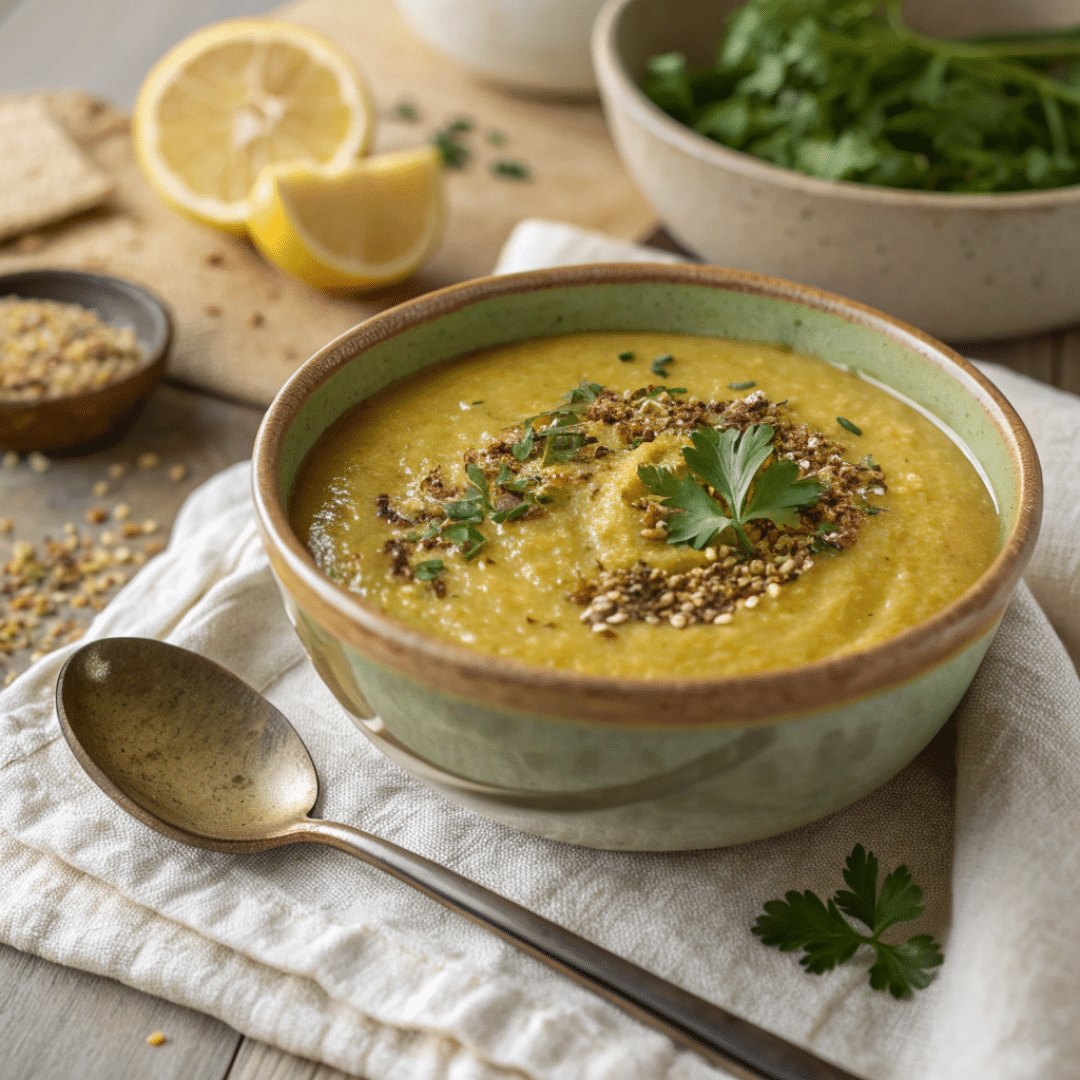
Split Pea Soup with Zaatar
Ingredients
Method
- Heat oil or a splash of water over medium. Sauté onion, carrot, and celery 8–10 minutes until soft. Add garlic and turmeric, bloom 60–90 seconds. Stir in split peas, coat with aromatics, add broth, bring to a gentle boil, then simmer 50–60 minutes until creamy.
- Use Sauté to soften aromatics 8–10 minutes. Add garlic, turmeric, split peas, broth, and zaatar. Lock lid, cook on high pressure 12–15 minutes. Allow short natural release.
- Remove any stems if used. Add lemon juice, taste, and adjust salt and pepper.
- Blend partially or fully for creaminess if desired. Add a splash of warm broth to adjust consistency.
- Serve with optional toppings: zaatar sprinkle, toasted seeds, herbs, or olive oil drizzle.
Notes
FAQ
What makes your My Favorite Split Pea Soup with Zaatar recipe different?
Can I use a Dutch oven or an Instant Pot for this recipe?
What ingredients are essential and what can I swap?
What exactly is za’atar and how does it affect flavor?
Should I soak the peas before cooking?
How do I prevent the pot from foaming and foamy boil-overs?
Can I make an oil-free or low-fat version without losing flavor?
How do I manage salt if my za’atar already contains it?
How do I adjust heat, smoke, or citrus levels safely?
My pot is too thick or too thin — how do I fix texture?
Which type of peas should I use: green or yellow?
How do I add protein, fiber, or make it more filling?
Is this recipe vegan and gluten-free?
What are the best garnishes and sides?
How long will leftovers last and can I freeze them?
Any tips for reheating without losing flavor or texture?
About The Author

John
John Watson is the passionate food enthusiast behind MePlusFood.com. With a deep love for exploring culinary delights, he shares honest restaurant reviews, mouthwatering recipes, and culinary adventures. Join John on his flavorful journey to savor the world one bite at a time.