Easy Acorn Flour Pancakes Recipe for a Healthy Breakfast
I love starting a busy morning with a hot stack of acorn flour pancakes that smell like butter and warm milk — they brighten the kitchen and save time.
I’ll walk you through a simple recipe that combines equal parts of this nutty meal and wheat flour, ensuring the cakes stay light and tender. We use buttermilk, eggs, and melted butter for a classic base, and I’ll note when a splash more milk fixes a thick batter.
On the griddle, you’ll watch tiny bubbles form, then flip once for a golden edge — that’s the cue. If your acorn meal is dry, add more liquid; if you forage, remember to cold-leach the nuts until bitterness is gone.
My goal is to provide a clear set of steps and practical timing tips, so you can prepare these quickly on a weekday and still enjoy a nourishing breakfast that feels homemade.
Key Takeaways
- Use a 50/50 blend of acorn flour and wheat flour for the best texture.
- Buttermilk, eggs, and melted butter give tender, flavorful results.
- Adjust the batter with a splash of milk if it looks too thick.
- Cook on a hot griddle until bubbles form and edges brown.
- Cold-leach foraged nuts to remove tannins before milling.
Why these Acorn Pancakes Belong in Your Weekday Rotation
When mornings are tight, I reach for a batter that mixes fast and keeps me full until lunch. This recipe gives steady energy without fuss, so you can grab a warm breakfast and go.
The key is a 50/50 mix of acorn flour and wheat flour. That balance tames the starchy edge and keeps the cakes tender. Using just the nutty meal risks a rubbery result at high temperatures.
You can make the batter the night before to save minutes. It firms in the fridge, then loosens with a quick splash of milk or water before cooking. That simple trick keeps weekday mornings calm.
- Nutty, toasty flavor that pairs well with maple or fruit.
- Reliable ratios for a soft crumb and long-lasting satiety.
- Flexible swaps for dairy-free or pantry-friendly mornings.
| Trait | Why it matters | Quick tip |
|---|---|---|
| Texture | Balanced crumb, not rubbery | Use 50/50 blend with wheat |
| Make-ahead | Saves time on busy days | Chill batter; add a splash before cooking |
| Energy | Starch-rich mix keeps you full | Serve with fruit or protein for a full meal |
Ingredients that Make Acorn Flour Pancakes Fluffy and Flavorful
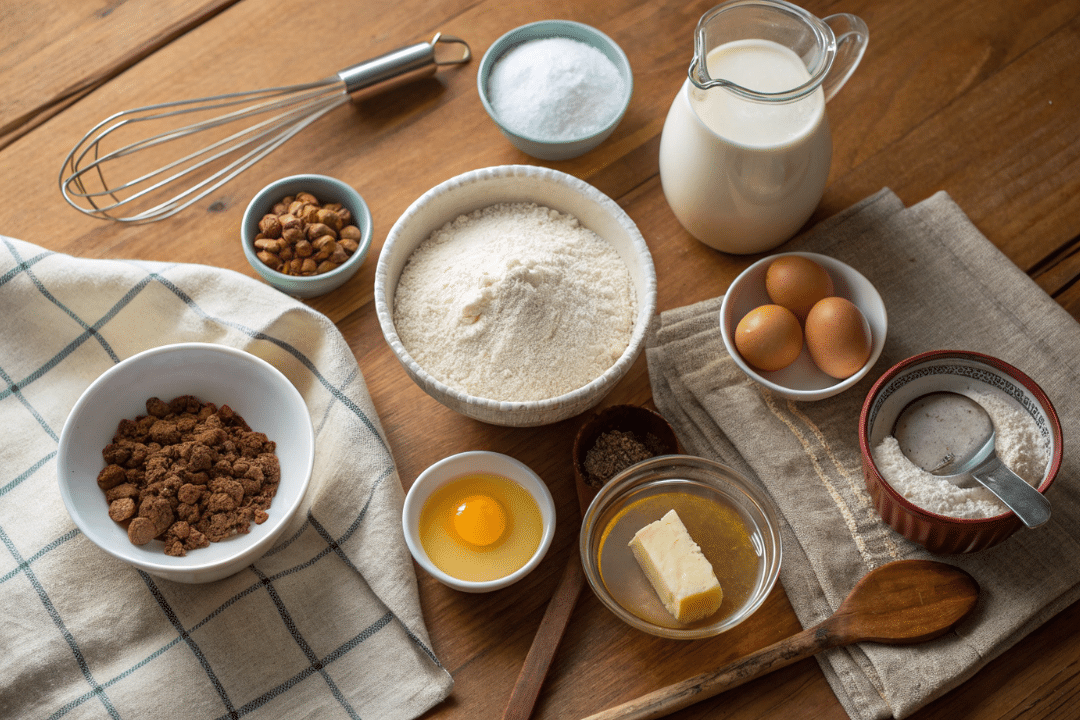
Start with measured ingredients and a little patience, and you’ll get fluffy results every time. I list exact amounts so you can mix confidently, then tweak the liquid if your meal is drier than expected.
Dry Ingredients
I use a 50/50 blend: 3/4 cup acorn flour and 3/4 cup white flour. Add 2 tsp baking powder, 1/2 tsp salt, and 3 Tbsp sugar. Whisking these dry ingredients first spreads the leavening evenly and avoids pockets of baking powder.
Wet Ingredients
For the wet mix, whisk 1 1/2 cups milk (or buttermilk), 2 eggs, 3 Tbsp melted butter, and 1 tsp vanilla. Eggs give structure, while melted butter lends tenderness and flavor. If your acorn meal is moist, cut back on added liquid.
Reliable Ratios and Adjustments
That 1:1 flour ratio keeps cakes tender while allowing the nutty depth to shine through. If your mix looks thick, add milk or water a tablespoon at a time until the batter forms ribbons when it’s lifted off the spoon.
- Measure with level cups for consistent batter.
- Dry—more liquid; moist—less added milk.
- Let the batter rest briefly for a better rise.
| Ingredient | Amount | Why it matters | Quick tip |
|---|---|---|---|
| Acorn flour | 3/4 cup | Gives earthy flavor and color | Use slightly more liquid if dried |
| White (wheat) flour | 3/4 cup | Adds gluten for lift and structure | Measure in cups, level off |
| Milk or buttermilk | 1 1/2 cups | Hydrates starches and activates leaveners | Adjust by Tbsp if batter is thick |
| Eggs & melted butter | 2 eggs, 3 Tbsp butter | Eggs set crumb; butter keeps it tender | Whisk the wet ingredients before combining |
Step-by-Step: From Mixing Bowl to Golden Grown on the Griddle
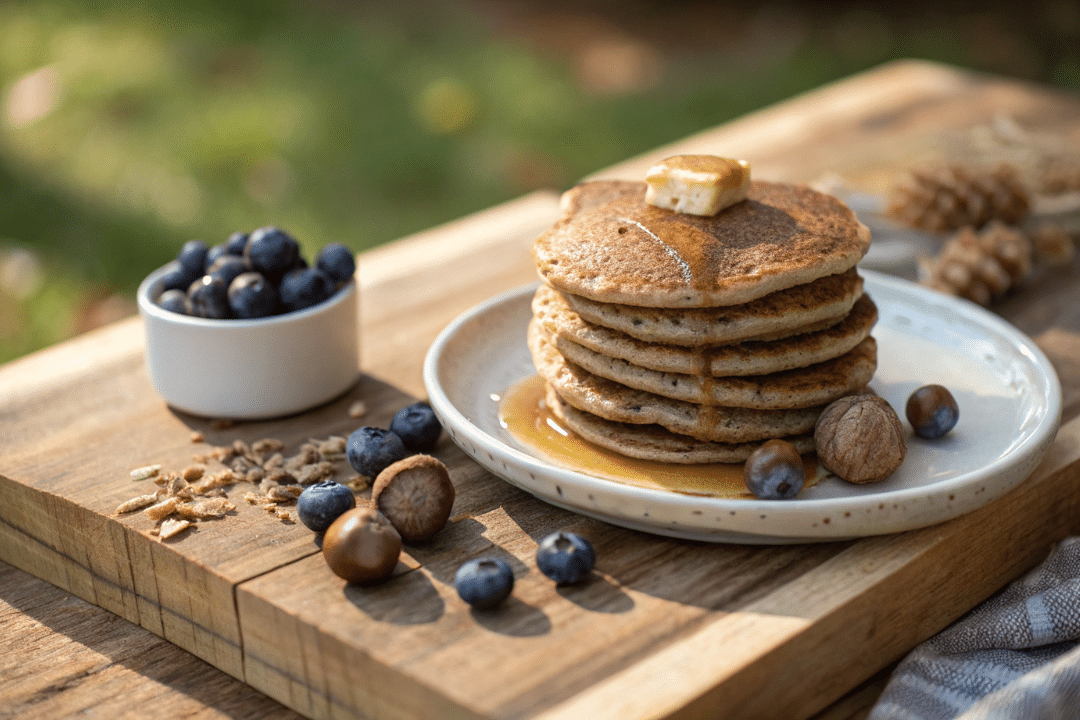
I keep this process calm and practical so you can cook with confidence. Start by whisking the dry mix in one bowl and the wet mix in another; that split keeps the batter tender and prevents overworked gluten.
Combine, Rest, and Adjust
Pour the wet into the dry and stir just until no streaks of flour remain. A few small lumps are fine—they protect softness.
Let the batter rest a few minutes. If it firms, loosen with a splash of milk or water until it flows like heavy cream.
Heat, Butter, and Cook Cues
Preheat a sturdy griddle over medium and brush with butter or oil. The surface should sizzle softly when a drop of batter hits.
- Ladle batter and watch for bubbles across the top and slightly set edges—those are your flip cues.
- Flip once and cook about 1–2 minutes per side until golden brown.
- If the first is too thin, add a spoonful of flour; if too thick, add a spoonful of milk and stir gently.
Keep the time and heat steady, give each cake space, and avoid multiple flips. If you’re new to acorn in batter, the 50/50 blend maintains reliable texture while you hone your griddle technique.
From acorn to flour: safe harvesting, grinding, and leaching tannins
Before you mill a single nut, a quick harvest check saves a lot of time and waste. I walk you through the process of picking, cracking, grinding, and leaching, so your meal tastes clean and mild.
Picking and Storing
I gather firm, heavy acorns from white oak types for milder tannins. I skip any with a small, round hole—those usually hide worms.
After sorting, I store them in rodent-proof containers. In humid places, burlap sacks help them breathe and reduce the risk of mold.
Cracking and Grinding
I crack shells with a sturdy nutcracker or a careful tap of a hammer. For larger batches, a sheller speeds up the process.
Then I grind it to a coarse or fine meal, depending on the desired texture. I use a metal Corona grinder or a high-power blender for the best results.
Leaching: Cold vs Hot
My preferred cold-leach is simple: fill a jar half with ground meal, top with water, shake, and chill. Pour off the brown water every 24 hours and refill.
After 3–4 days, I taste; if any astringency remains, I repeat until it’s gone. If I’m not using the wet meal right away, I squeeze it in cheesecloth or dry it at ≤150°F for storage.
- Pick firm acorns; avoid holes.
- Store in sealed bins; use burlap in areas with high humidity.
- Cold-leach with daily water changes until no bitterness.
| Step | Why | Quick tip |
|---|---|---|
| Sort | Remove bad nuts and debris | Look for weight and intact shell |
| Grind | Controls texture for cooking | Coarse meal for rustic cakes, fine for smooth batter |
| Leach | Removes tannins and bitterness | Cold-leach 3–4 days; taste before drying |
The Science of Starch and Structure: Getting the Texture Right
A little food chemistry goes a long way when you want tender, airy cakes instead of a gummy mess. I’ll walk you through the why so you can troubleshoot with confidence.
Why the 50/50 Blend Works
Acorn flour is heavy on starch. Starch binds and sets when heated, which gives body to the food but can also make it bouncy if not controlled. Wheat brings gluten, a stretchy protein that traps gas from baking powder. That trapped gas puffs the batter and keeps the crumb soft.
What Happens with 100% acorn and How to Avoid Rubbery Results
Using only acorn flour often leaves the middle slick or rubbery. Leavening has nothing substantial to hold, so the cakes don’t rise well. Keep the mix at about half and half. Mix gently, let the batter rest for a few minutes, and cook over moderate heat so that the centers set as the surfaces brown.
- Starch binds; gluten traps lift.
- Too much starch results in a gummy crumb; too much mixing yields a tight crumb.
- Rest and steady heat make a soft, tender result.
| Ratio | Texture | Tip |
|---|---|---|
| 50/50 blend | Light, tender | Best balance of flavor and lift |
| 100% acorn | Dense, rubbery | Add wheat or a binder and reduce mixing |
| Higher wheat | More rise, milder nutty taste | Good if you want a fluffier pancake |
Smart Swaps: Gluten-Free, Vegan, and Dairy-Free Options that Still Rise
You don’t have to give up taste when you swap ingredients to meet your dietary needs. I’ll show clear, test-backed changes so your batter stays pourable and the edges still brown.
Gluten-Free Path
Keep the 50/50 idea. Replace the wheat flour portion with a high-quality 1:1 gluten-free blend and keep the acorn flour at half the amount. Let the batter rest for a few minutes so hydration evens out.
Vegan Path
Swap butter for a neutral oil or a mild nut oil. Make flax eggs by combining 1 tablespoon of ground flax with 3 tablespoons of water per egg. Stir gently—don’t overmix—and add a teaspoon of vanilla for extra tenderness.
Dairy-Free Path
Use your preferred milk alternative—unsweetened versions control browning and flavor. Keep leavening the same; the mix will rise if the batter flows like thick cream.
- Maintain the 50/50 balance with your chosen blend.
- Rest batter briefly; GF blends thicken fast.
- Add a spoonful more oil if you miss the richness of butter.
| Swap | What to use | Quick tip |
|---|---|---|
| Gluten-free | 1:1 GF blend for wheat flour | Rest 5 minutes before cooking |
| Vegan | Flax eggs; neutral or nut oil | 1 Tbsp flax + 3 Tbsp water per egg |
| Dairy-free | Unsweetened milk alternative | Adjust browning; keep batter pourable |
Tools, Timing, and Make-Ahead Tips for Busy Mornings
A few good tools and a little planning save precious minutes at breakfast. I keep the gear simple so you can move fast and stay calm.
What I Keep on Hand
One large mixing bowl, a medium bowl, a whisk, a solid spatula, and a flat, heavy griddle are all you need. Use measuring cups for consistent results and a small ladle for portioning.
Smart Timing and Prep
Preheat the griddle while you whisk. Most cakes take 1–2 minutes per side, so warming plates and having ready toppings buys you time. Make the batter a day or two ahead. If it stiffens in the fridge, loosen it with a splash of milk or water until it is pourable.
- Place the bowl near the heat so you can stir between batches.
- Test one small cake first to check the heat and thickness.
- If your acorn meal is moist, the first batch may brown faster—lower the heat slightly.
| Step | Why it helps | Quick cue |
|---|---|---|
| Preheat | Saves time switching tasks | The griddle should sizzle lightly |
| Measure | Keeps texture steady | Use level cups for dry and wet |
| Make-ahead | Free morning minutes | Loosen the batter with milk if it is stiff |
Serving Ideas: Toppings, Sides, and Syrups that Love Acorn Flavor
A small set of toppings and a quick side can sharpen that toasty, woodsy flavor and keep the meal balanced. I like pairings that add crunch, bright acidity, or savory contrast. These choices let the batter shine without masking it.
Maple Syrup, Homemade Butter, and Nut-Forward Toppings
Warm maple syrup and a pat of butter are perfect and straightforward; they let the nutty base speak. For added texture, sprinkle toasted nuts, such as walnuts or pecans. A smear of vanilla whipped butter adds luxury with little effort.
Savory Spins: Eggs, Bacon, and Seasonal Fruit on the Side
For balance, serve with fried or poached eggs and crisp bacon on the side. Fresh fruit keeps the plate lively—sliced pears or berries brighten each bite.
- Warm syrup and butter keep things classic.
- Toasted nuts echo the batter’s forest notes.
- Quick fruit compote comes together in minutes and clings nicely.
- Eggs and bacon add savory contrast for a hearty meal.
- Rewarm larger batches gently and finish with syrup for shine.
| Pairing | Why it works | Quick tip |
|---|---|---|
| Maple syrup + butter | Sweetness and fat highlight toasty flavors | Warm the syrup slightly before serving |
| Toasted nuts | Adds crunch and echo to the base | Toast 3–5 minutes in a dry pan |
| Eggs & bacon (side) | Salty richness balances sweet edges | Serve eggs soft for contrast |
| Fresh fruit or compote | Bright acid lifts the plate | Simmer fruit for 5–8 minutes for a quick compote |
Troubleshooting common issues with acorn flour pancakes
If your batter behaves oddly, a few targeted fixes will quickly get things back on track. Below, I provide precise mid-cook corrections and prevention tips to help you avoid wasting a batch.
Rubbery or Gummy Texture: Managing Starch and Overmixing
Rubberiness typically results from excessive starch and vigorous mixing. Stick to a 50/50 acorn flour and wheat blend to give baking leavening something to hold. Mix just until combined. Fold gently and let the batter rest for a few minutes before cooking to relax the starches and improve the rise.
Batter too Thick or Thin: Simple Fixes with Milk or Flour
If the batter is too thick, loosen with 1 tablespoon of milk or water at a time until it ribbons smoothly. Wait a minute and test one small pancake on the griddle. If the batter runs thin and won’t set, sprinkle in a teaspoon of flour, stir gently, and cook a test cake. Adjust the heat so the top sets while the bottom reaches golden brown—this can take a few minutes per side, depending on your pan.
Bitter Flavor: Leaching Tannins Thoroughly and Tasting Before Use
Bitter taste signals incomplete leaching. Return the meal to cold water, refresh daily, and taste after 3–4 changes. Only use the meal once the astringency is gone.
- Check the baking powder’s freshness if cakes don’t puff.
- Cook a test pancake first and adjust the heat or the batter as needed.
- Toward the end, keep finished cakes on a warm plate, not the hot pan, to avoid drying at the end.
| Problem | Quick fix | Prevention | Why it works |
|---|---|---|---|
| Gummy center | Reduce mixing, rest the batter | Use 50/50 blend | Gluten traps gas; less mixing keeps crumb tender |
| Too thin | Add 1 tsp flour, test | Measure dry ingredients | More solids help set faster |
| Bitter bite | Cold-water leach until clean | Taste before baking | Water removes tannins |
Conclusion
A steady ratio, a warm griddle, and a few simple habits will make this a go-to breakfast. I stick to a 50/50 mix of acorn and wheat flour for reliable lift and a tender crumb. Cold-leach ground acorns until the tannins are gone, so the nutty taste remains clean.
Keep dry ingredients and wet ingredients separate, fold gently, and add a splash of milk if the meal seems dry. My base—milk, eggs, sugar, and melted butter—always works. Cook on a preheated griddle for about 1–2 minutes per side, then finish with a pat of butter or a drizzle of syrup.
Make this pancake recipe your own: measure by the cup, make small tweaks, and then try new recipes as you become more comfortable. In time, you’ll find your perfect stack.
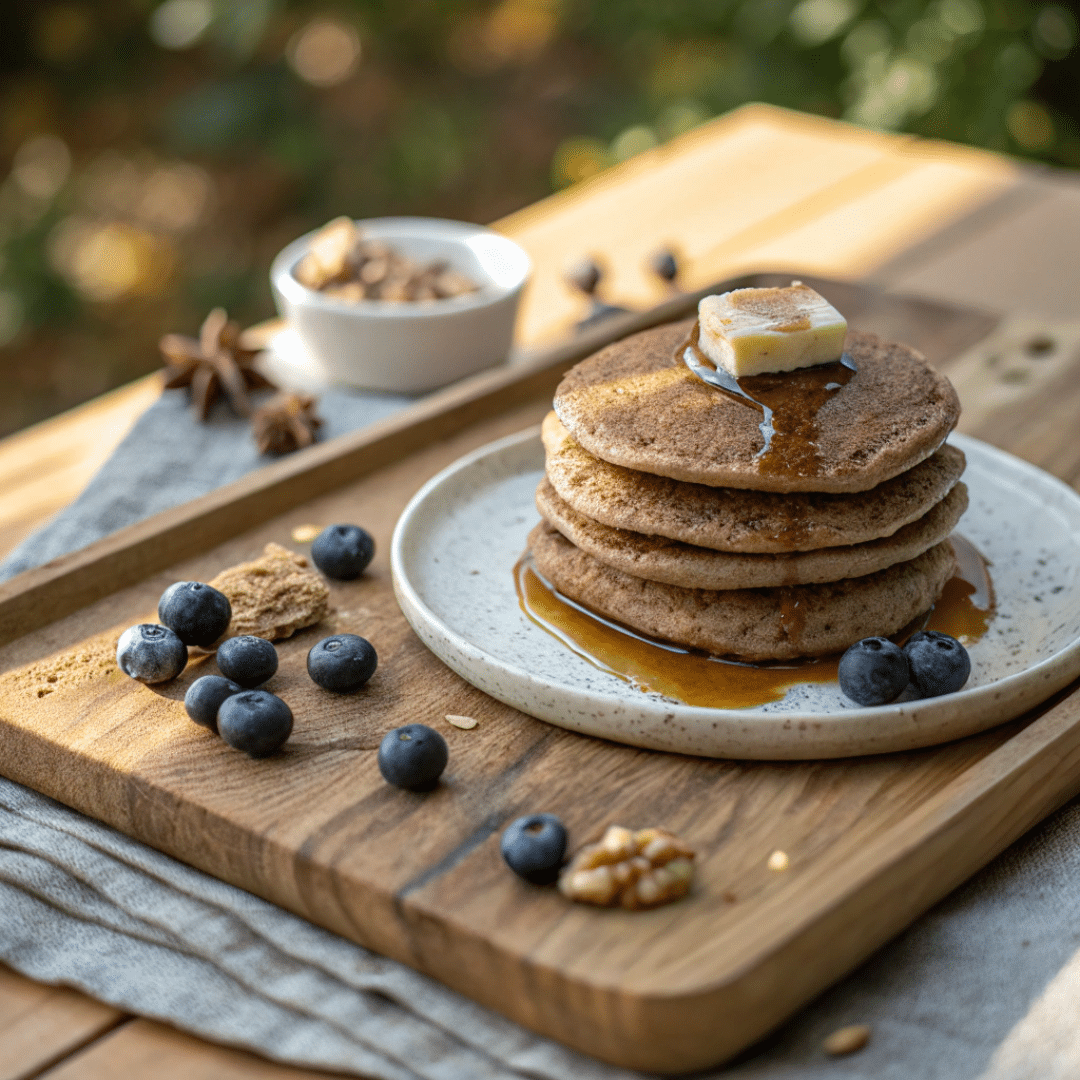
Acorn Flour Pancakes
Ingredients
Method
- In a large bowl, whisk together acorn flour, all-purpose flour, baking powder, salt, and sugar until evenly combined.
- In another bowl, combine milk, eggs, melted butter, and vanilla. Whisk until smooth.
- Pour wet ingredients into the dry mixture and stir gently until just combined. A few lumps are fine. Let the batter rest for 5 minutes so starches hydrate. If it thickens too much, loosen with 1–2 tbsp of milk.
- Preheat a griddle or nonstick pan over medium heat. Brush lightly with butter or oil. Pour about ¼ cup batter per pancake. Cook until bubbles form on the surface and edges set (about 1–2 minutes). Flip and cook for another minute until golden brown.
Notes
FAQ
What makes this easy acorn flour pancakes recipe good for weekday mornings?
How do I keep the pancakes light and fluffy?
What dry and wet ingredients should I measure exactly?
Why use a 50/50 blend, and when should I adjust the liquid?
How should I prepare and preheat the griddle for even browning?
What are the cook cues for flipping at the right time?
How do I safely harvest and prepare wild nuts for cooking?
What’s the difference between coarse and fine ground meal for this recipe?
How do I know when tannins are fully leached?
What happens if I try 100% nutty meal in the batter?
What are easy gluten-free, vegan, or dairy-free swaps that still rise?
Which tools make weekday prep faster?
Can I make the batter ahead or freeze cooked cakes?
What toppings and sides pair best with the nutty flavor?
How do I fix gummy or rubbery texture?
My batter is too thick or too thin — quick fixes?
Why might the batter taste bitter and how do I prevent it?
About The Author

John
John Watson is the passionate food enthusiast behind MePlusFood.com. With a deep love for exploring culinary delights, he shares honest restaurant reviews, mouthwatering recipes, and culinary adventures. Join John on his flavorful journey to savor the world one bite at a time.