Homemade Chickpea Tofu Made from Scratch
Making chickpea tofu from scratch changed my plant-based cooking forever. This magical soy-free alternative is both simple and revolutionary. Watching creamy chickpea proteins transform into a smooth mixture was extraordinary.
This recipe reimagines protein using just two humble ingredients. It’s not just about creating food. It’s about discovering new possibilities.
Traditional tofu was my go-to protein for years. Chickpea tofu opened up an entirely new world. Its rich texture and incredible versatility made it a kitchen staple.
Sometimes the simplest recipes are the most remarkable. This unprocessed protein source proves that point perfectly.
Key Takeaways
- Chickpea tofu offers a complete soy-free protein alternative
- Can be prepared using two distinct methods
- Requires minimal ingredients and equipment
- Adaptable for multiple cooking techniques
- Stores easily in refrigerator or freezer
- Provides a nutrient-dense plant-based protein source
- Simple enough for beginners to master quickly
What Makes Chickpea Tofu from Scratch a Perfect Soy-Free Alternative
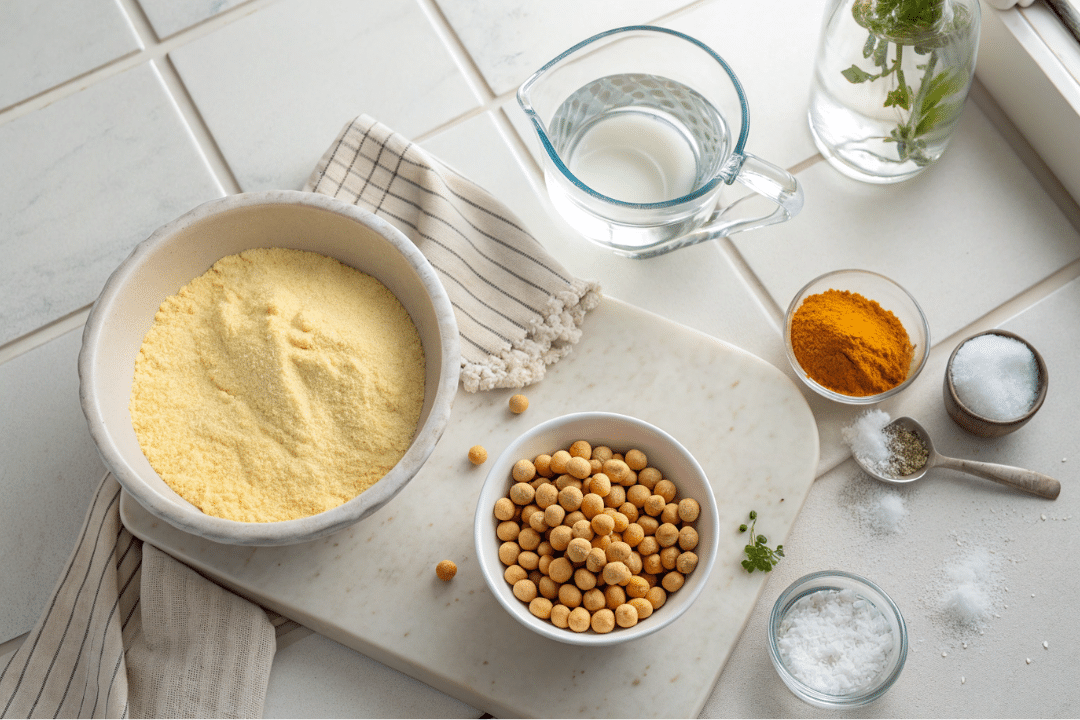
Finding a versatile protein alternative that meets dietary needs can be tough. Vegan protein burmese tofu offers an exciting solution for home cooks. Chickpea tofu is a game-changing ingredient that transforms traditional cooking.
Understanding Burmese Tofu and Its Origins
Traditional burmese chickpea tofu comes from the Shan region of Myanmar. This culinary treasure is more than just food—it’s cultural creativity. The Shan people used simple ingredients to create this protein-rich staple.
- Originated in eastern Myanmar
- Made from chickpea flour or ground dried chickpeas
- Completely different from soy-based tofu
Nutritional Benefits of Homemade Chickpea Tofu
Gluten-free chickpea tofu is a nutritional powerhouse. This protein-packed alternative delivers essential nutrients. It accommodates multiple dietary needs perfectly.
| Nutritional Aspect | Benefit |
|---|---|
| Protein Content | High protein per serving |
| Dietary Restrictions | Soy-free, gluten-free, nut-free |
| Fiber | Excellent source of dietary fiber |
Two Methods for Making Chickpea Tofu at Home
Mastering Shan tofu preparation requires understanding two primary techniques. Both create delicious easy chickpea flour tofu.
- Quick Chickpea Flour Method
- Mix flour with water
- Cook for 5-6 minutes
- Results in firmer texture
- Traditional Dried Chickpea Method
- Soak chickpeas overnight
- Blend and strain
- Cook for 20 minutes
- Creates silken, soft texture
Both methods unlock delicious possibilities for home cooks. You can experiment to find your preferred technique. This remarkable protein alternative is worth mastering.
How to Make Chickpea Tofu from Scratch Using Traditional Techniques
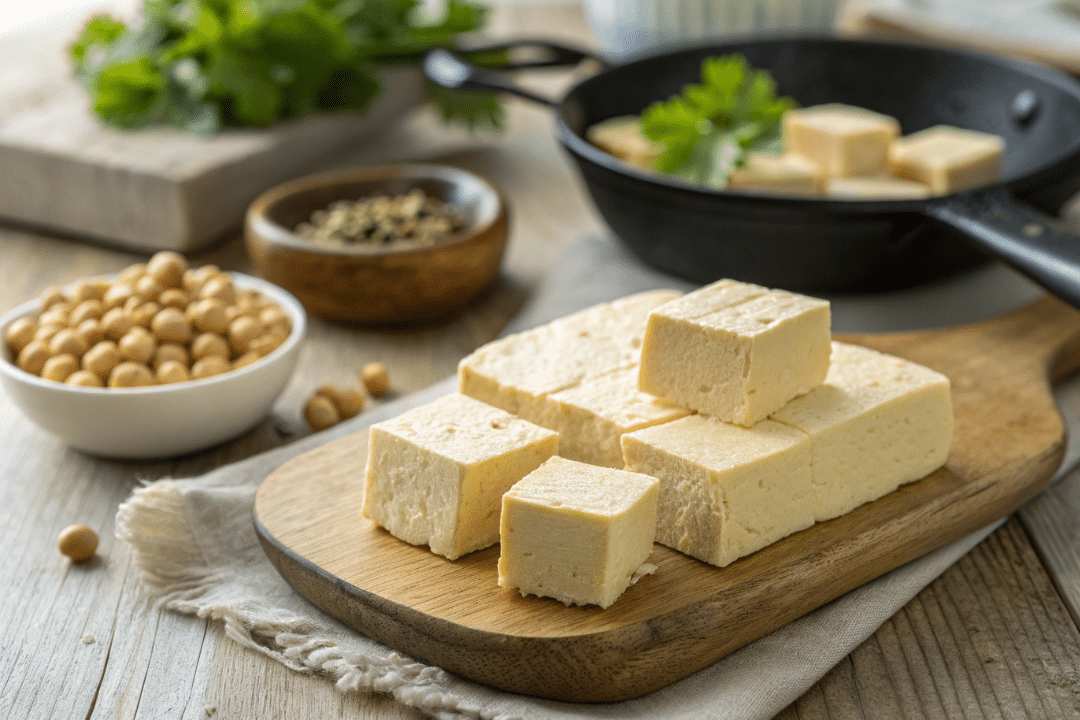
Creating high-protein plant-based tofu at home is easier than you might think! Chickpea tofu cooking techniques offer a simple way to craft a delicious, nutritious alternative. I’ll walk you through the process step by step.
Let’s gather our ingredients for this culinary adventure. You’ll need:
- 1 cup chickpea flour
- 1½ cups water
- Salt (optional)
- Turmeric (optional)
The magic begins with careful preparation. Start by whisking the chickpea flour with water until smooth. This step is crucial for achieving that perfect texture.
I recommend using a wire whisk to eliminate any lumps. This ensures your tofu has a silky consistency.
Cooking Process
Bring 1½ cups of water to a gentle boil. Slowly pour in your chickpea mixture, stirring constantly. Constant stirring prevents burning and ensures a smooth result.
| Cooking Stage | Time | Key Action |
|---|---|---|
| Initial Mixing | 2-3 minutes | Whisk continuously |
| Simmering | 5-6 minutes | Stir until thick and glossy |
| Setting | 1-2 hours | Refrigerate to firm |
Simmer on low heat for 5-6 minutes, whisking frequently. You’ll know it’s ready when the mixture becomes thick and clings to your whisk.
Pour the mixture into a greased 6×6-inch mold. Let it set at room temperature, then refrigerate. Pro tip: Add a pinch of turmeric for color and extra flavor!
Conclusion
Making chickpea tofu from scratch transforms your kitchen into a creative playground. I’ve discovered how simple and rewarding creating plant-based protein can be. Both the quick flour method and traditional technique offer unique opportunities.
Every batch becomes a valuable learning experience. Your first attempt might not be perfect, but it will pack nutrition and flavor. Embrace the process and experiment with different spices and cooking methods.
This journey expands your cooking skills beyond just making tofu. You’ll discover new ways to nourish yourself with plant-based foods. The process builds confidence in your culinary abilities.
Homemade chickpea tofu offers incredible versatility and zero-waste potential. Leftover chickpea pulp transforms into veggie burgers or fiber-rich flour. You can create countless creative dishes from the remaining ingredients.
Mastering this technique develops sustainable, cost-effective cooking habits. You’re building skills that empower your entire culinary journey. This approach makes plant-based cooking accessible and enjoyable.
Share your chickpea tofu adventures with others who love cooking. Each experiment brings you closer to becoming a confident home cook. Your kitchen is ready—let’s create something delicious!
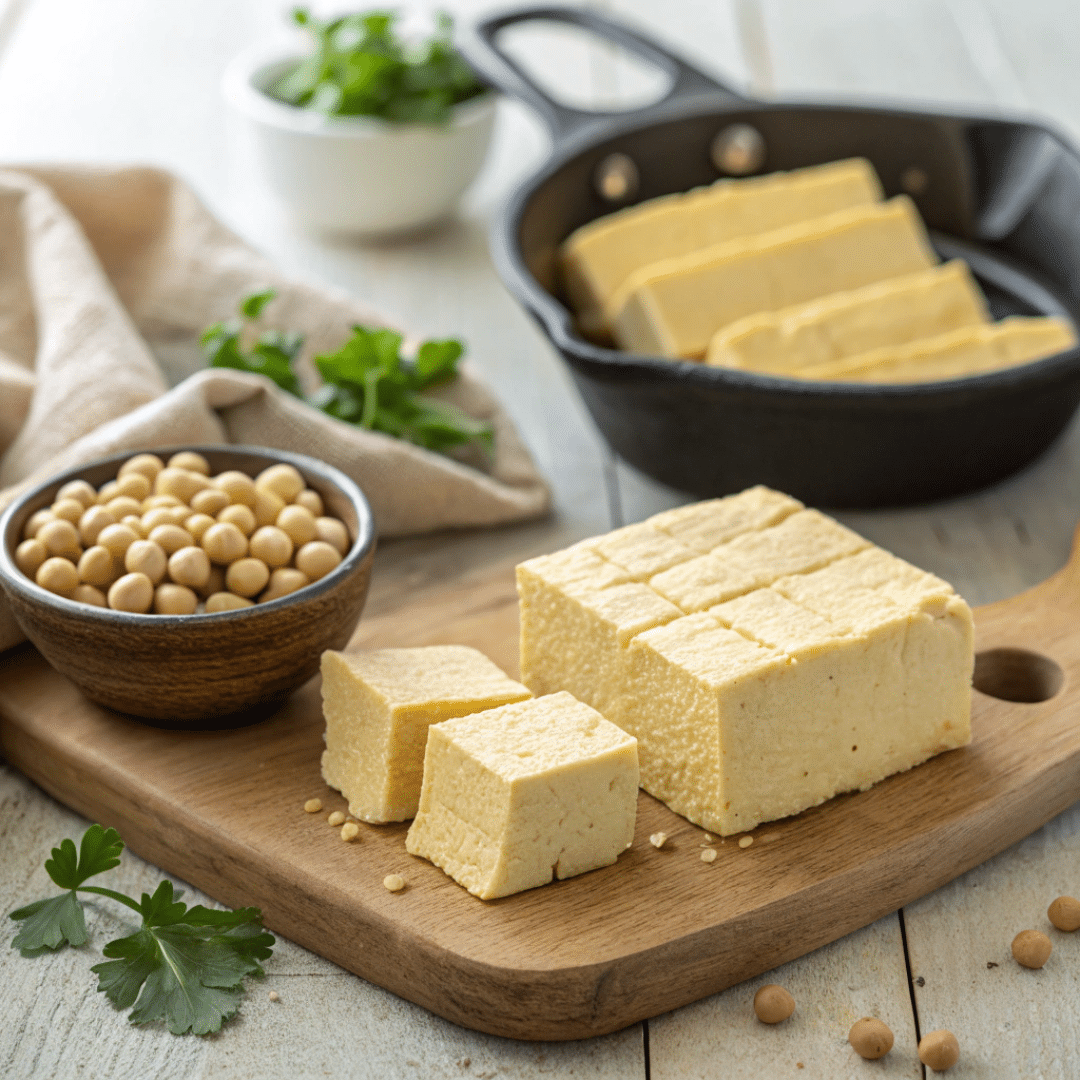
Chickpea Tofu
Ingredients
Method
- Whisk chickpea flour and water in a bowl until smooth and lump-free.
- Bring 1½ cups water to a gentle boil in a medium saucepan.
- Slowly pour the chickpea mixture into boiling water while stirring continuously.
- Stir constantly for 2–3 minutes to fully combine and prevent lumps.
- Reduce heat and simmer 5–6 minutes, whisking frequently until thick and glossy.
- Grease a 6x6-inch mold lightly with oil or non-stick spray.
- Pour the thickened mixture into the prepared mold, spreading evenly.
- Let tofu cool to room temperature, then refrigerate 1–2 hours to firm.
- Optional: add a pinch of turmeric while mixing for color and flavor.
- Once set, remove tofu from the mold, slice, and use in your favorite dishes.
Notes
FAQ
What is the difference between chickpea tofu and traditional soy tofu?
Is homemade chickpea tofu difficult to make?
Can I use chickpea tofu for different cooking methods?
Is chickpea tofu nutritionally beneficial?
How long does homemade chickpea tofu last?
Can I add flavors or spices to my chickpea tofu?
What can I do with leftover chickpea tofu pulp?
How does the texture of chickpea tofu compare to soy tofu?
About The Author

John
John Watson is the passionate food enthusiast behind MePlusFood.com. With a deep love for exploring culinary delights, he shares honest restaurant reviews, mouthwatering recipes, and culinary adventures. Join John on his flavorful journey to savor the world one bite at a time.