Miso Pickled Radishes with Umami Crisp
Miso-pickled radishes changed my home cooking from ordinary to extraordinary. These vibrant, crunchy homemade tsukemono pack an umami punch. They turn simple meals into culinary adventures.
You need just a few ingredients and minimal effort. You can create a condiment that bridges traditional Japanese preservation techniques and modern kitchen creativity.
I discovered these pickles by accident during a deep dive into Japanese fermentation methods. The experimental kitchen project quickly became a staple in my refrigerator. This shows how approachable and delicious miso-pickled radishes can be.
Key Takeaways
- Miso-pickled radishes are incredibly simple to prepare
- They add complex umami flavor to multiple dishes
- Homemade tsukemono require minimal kitchen skills
- Pickles can be ready in just a few hours
- Traditional Japanese preservation techniques are accessible to home cooks
Why Miso-Pickled Radishes Deserve a Spot in Your Kitchen
I discovered the magic of Japanese pickle recipes quite by accident. What started as a culinary experiment transformed my entire approach to home cooking. These miso-pickled radishes aren’t just another condiment—they’re a gateway to Asian fermentation techniques that blend tradition with modern convenience.
Miso pickling represents an ancient preservation method that’s surprisingly simple and incredibly delicious. This probiotic condiment brings layers of umami and complexity to everyday meals with minimal effort.
The Ancient Art of Misozuke Meets Modern Kitchen
Traditional Japanese cooking has perfected the art of transforming simple ingredients into extraordinary flavor experiences. Misozuke—the technique of pickling in miso—creates a culinary alchemy that elevates even the most basic vegetables.
- Transforms raw ingredients into complex flavor profiles
- Requires minimal specialized equipment
- Preserves nutrients through gentle fermentation
Health Benefits Beyond the Crunch
Beyond their incredible taste, miso-pickled radishes pack a serious nutritional punch. The fermentation process creates a powerhouse of probiotics and enzymes that support digestive health.
| Nutritional Component | Benefit |
|---|---|
| Probiotics | Supports gut microbiome |
| Vitamin C | Boosts immune system |
| Enzymes | Aids digestion |
My kitchen is never without a jar of these radishes. They’re my secret weapon for adding instant depth and nutrition to any meal. These miso-pickled radishes are your ticket to exploring the rich world of Asian fermentation techniques.
Essential Ingredients and Preparation Techniques
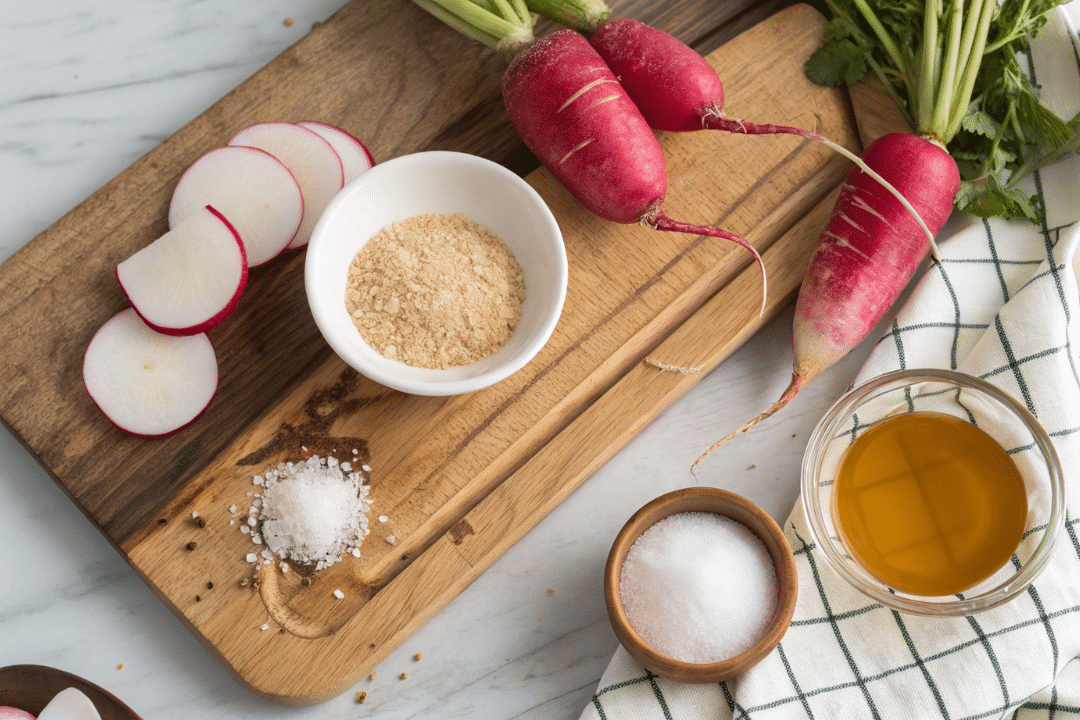
Making delicious miso-pickled vegetables starts with understanding the core ingredients of a traditional miso marinade. The magic begins with selecting the right savory root vegetable. Prepare it with care for the best results.
Your key ingredients for misozuke will include:
- Miso paste (red or white)
- Mirin (sweet rice wine)
- Optional flavor enhancers:
- Kombu strips
- Fresh garlic cloves
- Grated ginger
- Red chili peppers
Choose firm, fresh produce for your savory root vegetable. Radishes and daikon work exceptionally well in this pickling method.
Proper preparation is crucial for success. Always peel daikon carefully to remove the bitter outer layer. Extract excess moisture through gentle salting.
The ideal ratio for your traditional miso marinade typically involves 1 cup of miso to 2 tablespoons of mirin. This balance creates a rich, umami-packed coating. It transforms simple vegetables into a complex, flavor-packed delicacy.
Use resealable bags for marinating to ensure every crevice gets perfectly coated. The kombu strips will add a subtle oceanic depth. This elevates the entire pickling experience.
Creating Your Perfect Miso-Pickled Radishes
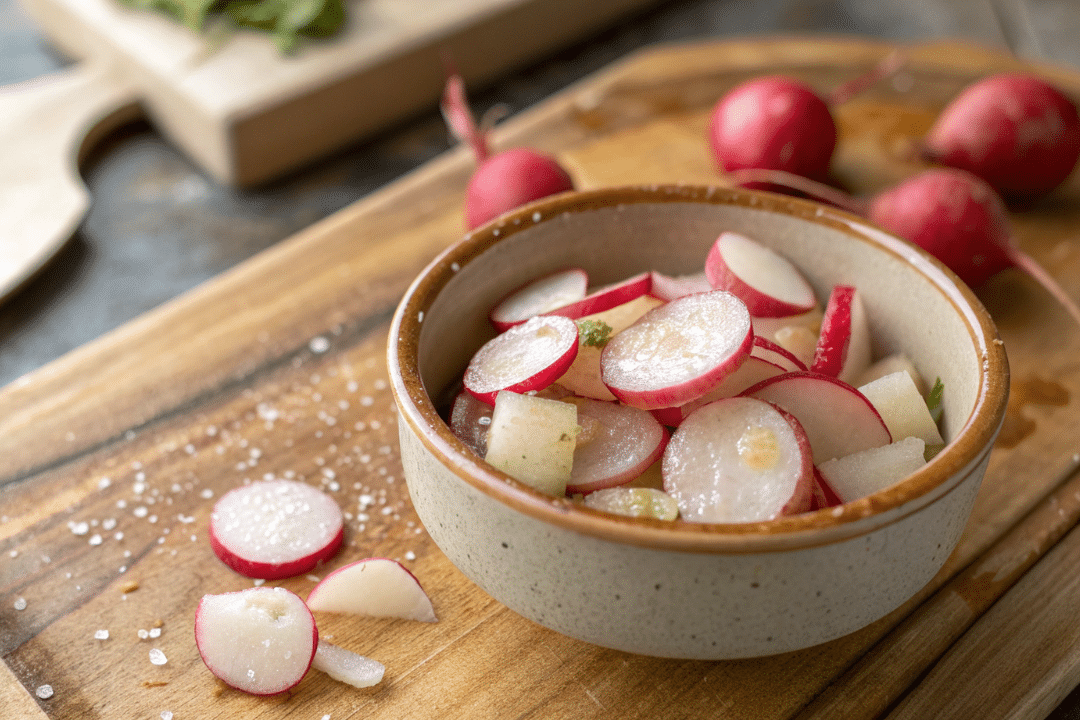
Crafting fermented daikon requires patience and attention to detail. My journey with umami preserves has taught me that pickling is both art and science. Let me guide you through transforming simple radishes into a flavor-packed delicacy.
Timing Your Pickle for Maximum Flavor
The magic of miso pickling lies in its flexibility. Your fermented daikon can develop different flavor profiles depending on pickling duration:
- 3 hours: Light pickle with fresh vegetable crunch
- 12 hours: Balanced umami flavor
- 2-3 days: Intense umami preserves with deep flavor
Taste testing is crucial. Each hour changes the radish’s character, so experiment to find your perfect timing. White miso typically requires longer pickling compared to red miso.
Storage and Reusing Your Misodoko
Proper storage extends the life of your umami preserves. Glass containers work best for keeping your fermented daikon fresh.
Simply reheat the miso marinade in a pot to evaporate excess moisture. With careful handling, you can reuse the marinade for up to a month.
Pro tip: Don’t discard your used misodoko! It can be repurposed as a flavor-enhancing base for stir-fries. You can also use it as a unique cooking glaze.
- Store in sealed glass containers
- Reheat the marinade to restore consistency
- Use as a flavor base for additional dishes
Remember, pickling is about exploration and personal taste. Your perfect fermented daikon is just a few steps away!
Conclusion
Miso-pickled radishes are more than a preservation technique. They transform everyday meals with little effort. This traditional Japanese misodoko method unlocks vibrant, umami-rich flavors for any dish.
These pickles work in many ways. Add them to banh mi sandwiches or bibimbap bowls. They bring a bright, tangy crunch that wakes up your taste buds.
Your homemade miso becomes a kitchen companion. It inspires creativity with every meal.
Try different vegetables like daikon, carrots, or bell peppers. Each batch teaches you about flavor balancing and fermentation. This technique connects you with a time-honored tradition of transforming simple ingredients.
Embrace the process and trust your instincts. Let these umami-packed pickles become a kitchen staple. Your refrigerator is about to become a playground of delicious possibilities.
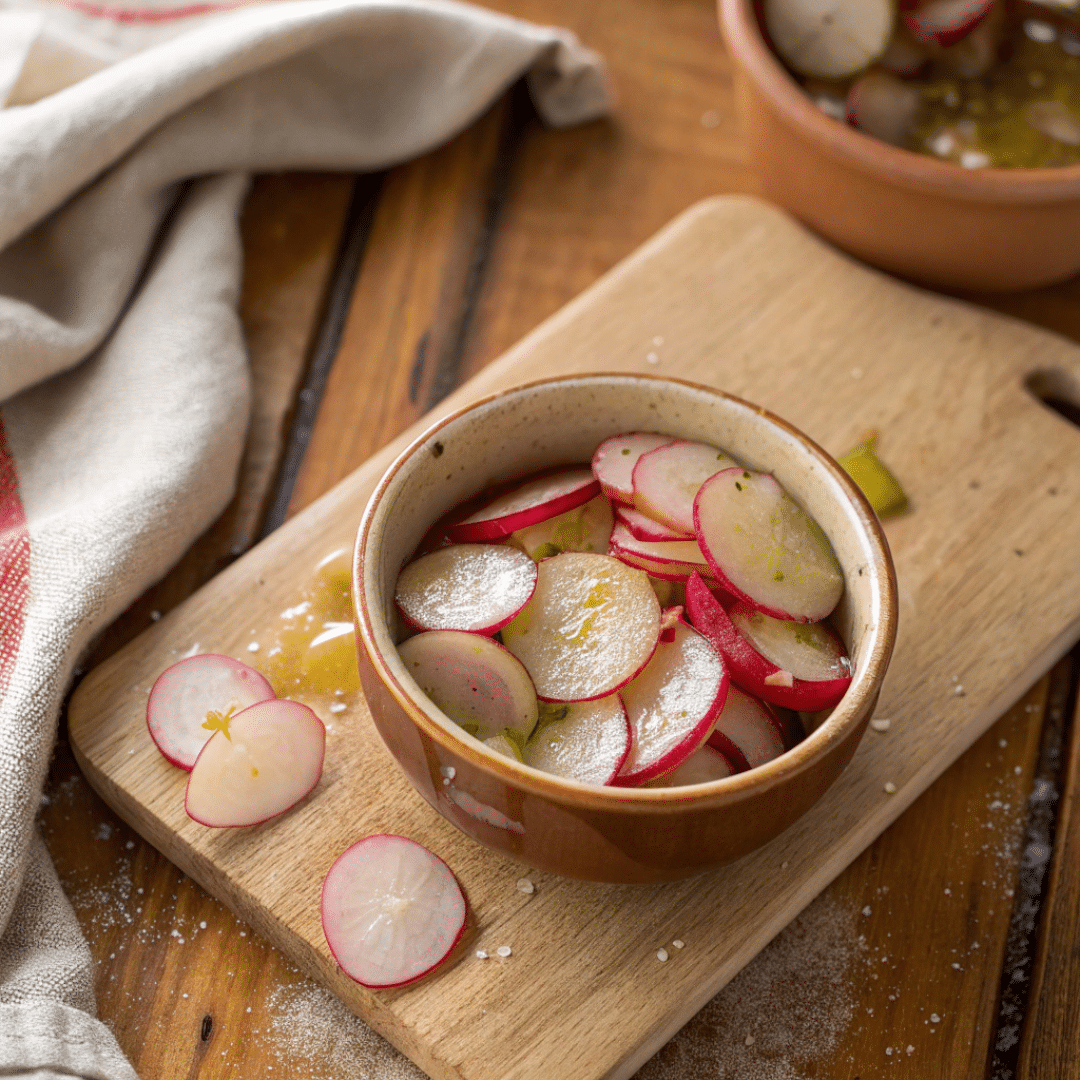
Miso Pickled Radishes
Ingredients
Method
- Slice radishes or daikon into thin rounds or sticks. Lightly salt and let sit for 10 minutes to remove excess moisture. Pat dry.
- In a small bowl, combine miso paste and mirin to create a smooth marinade. Add optional kombu, garlic, ginger, and chili if desired.
- Place radishes in a resealable bag or airtight container. Pour miso mixture over them, ensuring all pieces are coated evenly.
- Seal and refrigerate. Pickling time can vary:
- 3 hours: lightly pickled, crisp
- 12 hours: balanced umami flavor
- 2–3 days: deep umami, stronger flavor
- Taste periodically to achieve desired flavor. Serve as a side, topping, or condiment.
Notes
FAQ
What type of miso works best for pickling radishes?
How long can I store miso-pickled radishes?
Can I use other vegetables instead of radishes?
Is this pickling method probiotic?
How can I tell when the pickles are perfectly pickled?
What if my pickles turn out too salty?
Can I reuse the misodoko?
About The Author

John
John Watson is the passionate food enthusiast behind MePlusFood.com. With a deep love for exploring culinary delights, he shares honest restaurant reviews, mouthwatering recipes, and culinary adventures. Join John on his flavorful journey to savor the world one bite at a time.