My Simple Sardine Patties with Lemon Recipe for a Tasty Dinner
I love turning humble cans into golden, crisp fish cakes that make weeknights feel special, and my sardine patties with lemon are my favorite way to do that.
Think pantry-first cooking: canned fish, breadcrumbs or beans, an egg or plantain for AIP swaps, parsley, parmesan, mayo, and a few spices. I shape small rounds with wet hands so they hold, then cook gently—3–4 minutes per side on the stove or bake at 425°F if I want hands-off time.
The outside gets crisp, the center stays tender, and a bright squeeze of citrus wakes the whole plate. I keep the olive oil from the can when I can; it helps preserve omega-3s and keeps the cakes rich without extra fuss.
Whether you want slider-sized bites, a creamy dip, or a high-fiber twist with cannellini beans, this recipe is flexible, reliable, and built for real weeknight life.
Key Takeaways
- Pantry-first method: easy staples make consistent results.
- Wet your hands and shape small rounds for best texture.
- Cook gently on medium-low, 3–4 minutes per side, or bake at 425°F.
- Keep can olive oil to retain EPA/DHA and flavor.
- Simple swaps (plantain, beans, flours) adapt the recipe to your needs.
Why these Sardine Cakes Work for Real-Life Weeknights
Busy evenings demand food that lands fast and tastes as you care. I make these from pantry staples and finish them in under thirty minutes. That small time investment gives a high return in flavor and texture.
Big Flavor, Small Effort: Pantry-Friendly, 30 Minutes Max
The core steps fit neatly into a routine: drain, mash, bind, shape, and cook. Total time often hits about 28 minutes, with roughly 3–4 minutes per side to brown each piece.
Use a splash of zest and a few chopped olives to cut the stronger notes. A pinch of spice and fresh herbs lift the profile without extra fuss.
Kid- and Newbie-Friendly Tips to Tame “Fishy” Notes
Keep shapes small. Smaller rounds cook evenly and stay mild in taste. I also fold in herbs and a creamy dip when kids are at the table.
- Cook in small batches to avoid overcrowding—flipping is easier, and browning is more consistent.
- The skillet method is quick and hands-on; the oven method is great for batch-cooking and minimal tending.
- Simple binders like egg and breadcrumbs keep pieces from falling apart, so weeknight repetition is drama-free.
| Method | Best for | Timing & tip |
|---|---|---|
| Skillet | Quick dinners | 3–4 minutes per side; small batches prevent overcrowding |
| Oven | Batch cooking | 425°F for hands-off browning; flip once if desired |
| Kid-friendly | New eaters | Serve small rounds with a creamy dip and crunchy sides |
| Flavor tweak | Reduce strong notes | Add zest and kalamata-style olives to brighten and balance |
Ingredients that Make Sardine Patties with Lemon Shine
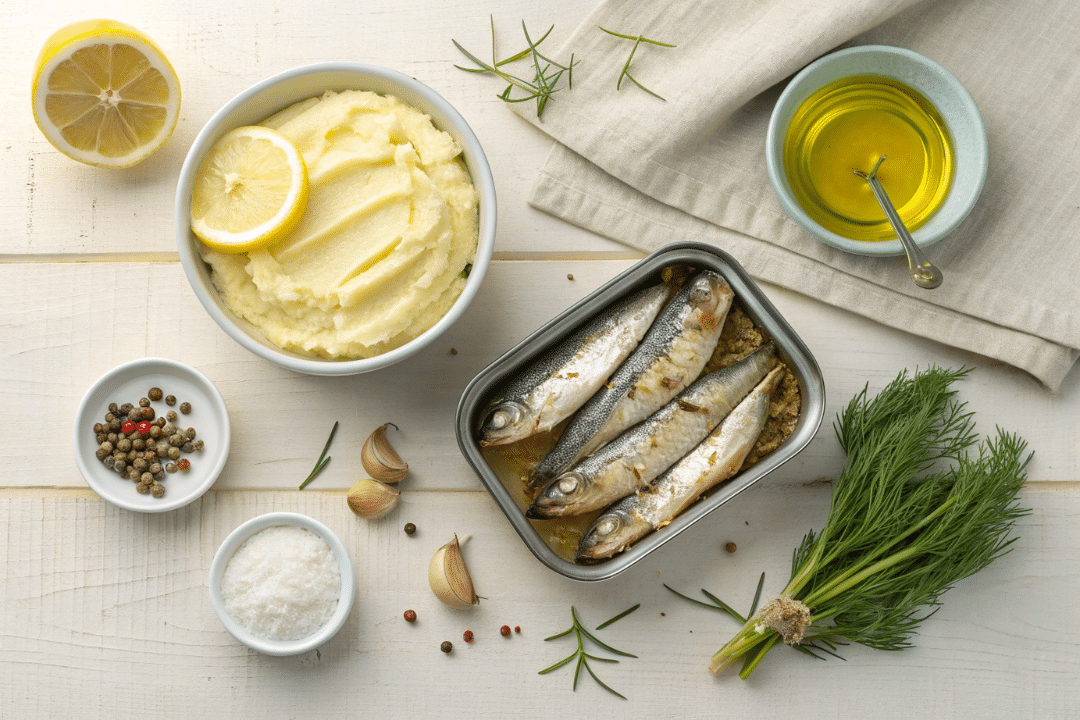
Small choices — oil or water, crumbs or plantain — change the whole texture and flavor of these cakes. I lean on pantry staples and a few fresh lifts to keep the mix bright and reliable.
Canned Sardines: Oil vs. Water
I reach for canned sardines in olive oil when I can. That oil carries flavor and fat-soluble EPA/DHA, so I often stir a spoonful into the mix.
If my cans are water-packed, I drain well so the mixture isn’t soggy. Then I add a tablespoon or two of olive oil to restore richness.
Fresh Lifts: Zest, Parsley, Garlic, and Onion
Lemon zest wakes up the bowl; a splash of juice adds sparkle without loosening the texture. Fresh parsley, minced onion, and grated garlic bring aroma and lift.
I balance with a pinch of salt, pepper, and a touch of black pepper for warmth. Taste before binding so you can tune seasoning.
Binders and Texture Options
For classic texture, I use about a cup of breadcrumbs and one egg to bind. Add more crumbs by the tablespoon if the mix feels wet.
Going grain-free? Mashed plantain or almond/chickpea flour works well and fries up nicely. Keep measures simple: teaspoons of spices and a couple tablespoons of chopped herbs.
- Simple measures: cup-level crumbs, a teaspoon of spice, and a few tablespoons of herbs.
- Adjust crumbs or flour gradually to avoid a dry or loose mix.
- Quick taste test before the egg helps nail salt and citrus balance.
| Ingredient | Why it matters | Quick tip |
|---|---|---|
| Oil-packed canned fish | Retains flavor and omega-3s | Keep or stir in 1–2 tablespoons of oil |
| Water-packed canned fish | Leaner, can be watery | Drain fully; add a tablespoon olive oil |
| Breadcrumbs & egg | Classic binder, crisp edges | Start with 1 cup crumbs and 1 egg; add tbsp if wet |
| Plantain / nut flour | Grain-free binding option | Mash plantain or use 2–3 tbsp flour per batch |
Gear Check: the Bowl, Skillet, and Baking Sheet that Set You up for Success
Before you start, I lay out tools that make prep faster and cleanup easier. Small rituals save time and keep the kitchen calm.
I use a roomy mixing bowl so I can mash and fold without spills. A fine mesh strainer or colander makes draining quick, especially when the canned fish has extra liquid.
- A simple fork handles mashing and mixing. It gives a rustic, cohesive texture without overworking the mix.
- My go-to is a heavy skillet or a reliable nonstick pan. A thin layer of oil helps the edges brown and release cleanly.
- I keep a rimmed baking sheet lined and ready for the oven method. It makes flipping and cleanup painless when I batch-cook at 425°F.
- Wet hands are my secret for shaping tidy rounds fast. No sticking. No stress.
- When pan-frying, I rest finished pieces on a paper-towel-lined plate to stay crisp while I finish the batch.
| Tool | Why it matters | Quick tip |
|---|---|---|
| Mixing bowl | Space to mash and fold | Use medium-large so nothing spills |
| Skillet / pan | Even browning and release | Heat medium-low; add a thin film of oil |
| Baking sheet | Batch cooking ease | Line it and flip once for even color |
Want another fish idea? Check out this short recipe to expand your repertoire: try this triggerfish recipe.
Step-by-Step: from Mixing Bowl to Golden Fish Cakes
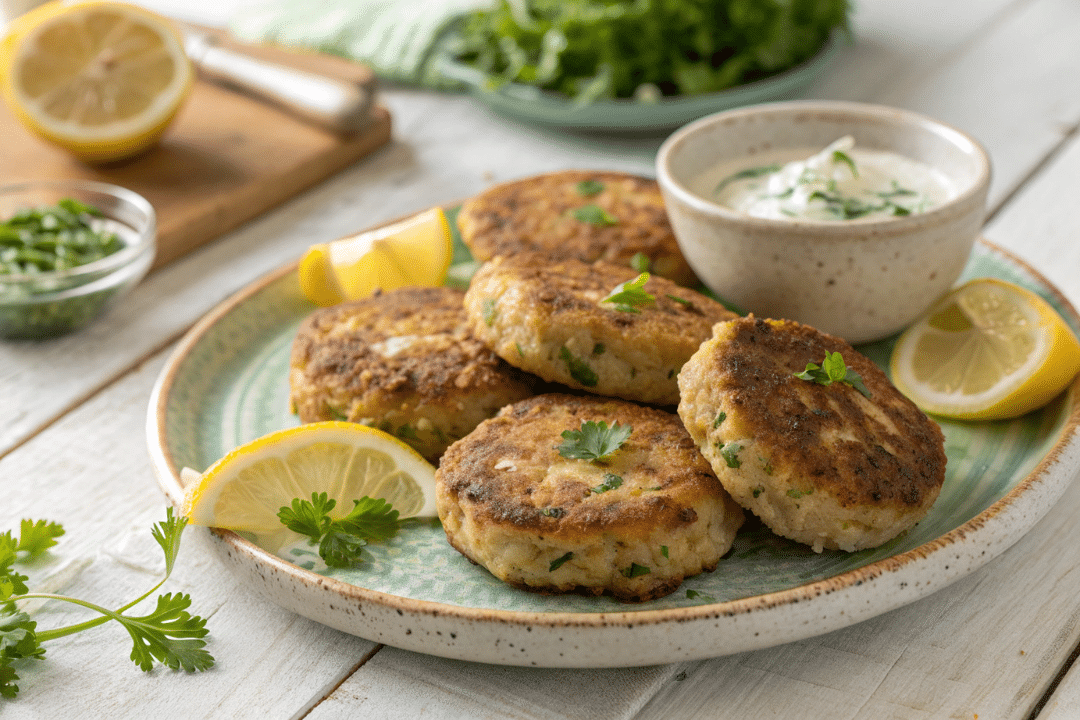
A few careful moves in the bowl set you up for golden results on the pan. Gather drained fillets, a fork, crumbs or plantain, an egg, and any herbs or zest you plan to use.
Drain, Mash, and Season the Mixture
Drain well, then add the fish to the bowl and mash with a fork until mostly cohesive but still a few flakes remain for texture. Season—salt, pepper, zest, and chopped herbs—and taste before the egg so you can correct seasoning early.
Shape Small Patties for Easy Handling
If the mixture feels loose, fold in extra breadcrumbs a tablespoon at a time until it holds a gentle press. Wet your hands and form 2–3 inch rounds; smaller pieces brown faster and stay tender.
Pan-Fry for Crisp Edges and Tender Centers
Warm a pan over medium-low heat and add a thin slick of oil. Cook undisturbed 3–4 minutes per side, flipping once, until deep golden and set.
Bake Instead: 425°F Oven Method
Preheat to 425°F. Arrange on a lined sheet and bake about 20 minutes, flip, then finish roughly 5 more minutes to crisp. Work in batches—avoid overcrowding so the heat stays steady.
| Step | Timing | Tip |
|---|---|---|
| Mash & season | 5 minutes | Fork mash, leave flakes |
| Pan-fry | 3–4 minutes/side | Medium-low heat, thin oil |
| Oven | 25 minutes total | Flip at ~20 minutes |
Want a cozy, bowl-based comfort next? Try this fricassee cake recipe for a different weeknight angle: fricassee cake recipe.
Pro Tips that Prevent Crumbling and Boost Flavor
I’ve learned hard lessons about heat and size—those two choices change everything. Apply a handful of focused moves and you’ll get neat, golden rounds every time.
Right size, Right Heat, Minimal Flips
Keep the rounds small so they set quickly and flip cleanly. Small patties save time and help you avoid overhandling.
Cook medium-low to let the crust form. Let the underside brown fully before you flip; patience seals in moisture.
Fixing a Wet Mixture and Seasoning Smart
If the mix feels loose, add breadcrumbs or a tablespoon of almond or chickpea flour. Rest it a minute so the binder hydrates and firms up.
Wet your hands before shaping to stop sticking and press edges lightly for a tidy seal. Season early—taste and add a pinch of salt and pepper before the egg goes in.
| Problem | Quick fix | Why it works |
|---|---|---|
| Loose mixture | Sprinkle 1–2 tbsp breadcrumbs or flour | Absorbs moisture and firms the mix |
| Flaky edges | Make smaller rounds; press edges with wet hands | Smaller surface sets faster and holds shape |
| Burned outside, raw inside | Lower heat and longer cook time | Gentle heat lets crust form without overcooking |
| Bland flavor | Add a touch of ground smoked paprika or Italian seasoning | Builds depth without masking citrus or fish |
Savory Variations and Smart Substitutions
When I want variety, small swaps turn the same method into new meals. These tweaks keep the routine familiar while allowing you to meet dietary needs or pantry limits.
I often make an AIP-friendly batch using mashed yellow plantain as the binder. I fold in bright zest and chopped kalamata-style olives for savory depth. If plantains are scarce, cooked white sweet potatoes work as a mild, reliable substitute.
A High-Fiber Option
For extra fiber and a softer texture, I mash cannellini beans into the mix. I use almond or chickpea flour as the binder instead of crumbs. The cakes still brown nicely and deliver solid protein.
Easy swaps and baking notes
Canned salmon is a simple swap when that’s what’s on hand; timing and technique stay the same. Prefer dairy-free? Skip parmesan and lift flavor with parsley, dill, or chives.
- For AIP: mashed plantain or white sweet potato, olives, and zest.
- High-fiber: cannellini beans plus almond/chickpea flour for body.
- Swap-ins: canned salmon, omit cheese, rotate herbs seasonally.
- Baking tip: bake at 425°F on a lined sheet; brush lightly with oil so edges crisp.
These variations keep the core method intact. Each patty still provides satisfying protein and bright flavor while matching your pantry and preferences.
Sauce Pairings and Sides that Love Sardine Patties with Lemon
A bright sauce and a simple side can turn modest fish cakes into a restaurant-style plate. I set out a few dips and a warm salad so people can build their own bites. It feels casual and thoughtful.
Creamy Dips that Cool and Complement
I reach for yogurt, sour cream, tzatziki, tahini, or classic tartar. Each sauce calms the salt and adds cream on top.
For a smoky note, dust a little smoked paprika over the sauce. Add chopped herbs or a lemon wedge for sparkle.
Plating Ideas and Easy Sides
Pile greens into a hearty salad, then top warm cakes and finish with herbs. The heat meets crisp leaves—so good.
Lettuce wraps make these handheld. Add cucumber, a drizzle of sauce, and fresh dill. For sliders, make smaller cakes and tuck into soft buns with tomato.
Roasted baby potatoes or wedges act as a comforting side that balances the texture and keeps meals filling.
| Serving style | Best sauce pairing | Quick tip |
|---|---|---|
| Plated salad | Yogurt or tzatziki | Warm cakes over mixed greens; finish with olive oil and herbs |
| Lettuce wrap | Tahini or sour cream | Add crunchy cucumber and a squeeze of lemon |
| Slider | Classic tartar | Mini buns, tomato slice, quick pickle if you like |
| Casual platter | All sauces on the side | Set sauces, lemon wedges, and warm cakes so guests build bites |
Nutrition Perks You can Taste and Trust
Beyond being fast and tasty, this dish brings a clear nutrition edge. I rely on it when I want a meal that feels small but lands as real food.
Omega-3s, Protein, and Key Vitamins
These fish deliver DHA and EPA, the omega-3 fats your body uses for everyday wellness. I value that because they’re bioavailable and travel well in canned form.
You also get solid protein in each serving, so a couple of cakes fill you up without needing a massive plate. Protein supports recovery and steady energy through the evening.
Built-in vitamins B12 and D support energy and bone health, especially when sun exposure or variety is low in your week.
Calcium, Packing Tips, and Practical Wins
- Bone-in canned fish adds gentle calcium—an easy boost to support bones without extra steps.
- If your can is packed in oil, I keep that oil. It helps preserve fat-soluble EPA/DHA and adds richness to the mix.
- When cans are water-packed, drain well and stir in a splash of olive oil for absorption and taste.
- Cost-effective and shelf-stable, these cans make smart, budget-friendly protein you can keep on hand.
- The payoff: nutrition that arrives as a clean, rich taste on the plate.
| Benefit | Why it matters | Practical tip |
|---|---|---|
| Omega-3 (DHA/EPA) | Supports brain and heart health | Prefer oil-packed or add a bit of oil after draining water-packed cans |
| Protein | Satiety and muscle support | Two small rounds provide a meaningful serving |
| Vitamins B12 & D | Energy metabolism and bone support | Great for low-sun seasons; an easy dietary source |
| Calcium | Bone health from edible bones | Choose bone-in canned options when possible |
Make-Ahead, Freezing, and Quick Reheating
Make once, eat twice: a simple plan turns a single batch into several quick meals. I form all the rounds at one time and let them firm before any cooking. That small step saves time and keeps texture steady.
Batch, Chill, and Freeze Without Losing that Crisp Bite
I place formed pieces on a baking sheet and chill for 20–30 minutes. This firms edges so they hold during cooking or when you freeze them. For the freezer, flash-freeze single layer, then move to a bag so they don’t stick.
- To reheat from the fridge: warm a pan over medium heat, add a teaspoon or tablespoon of oil, and crisp each side for a few minutes.
- From frozen: give a bit more time and flip once so both sides regain color and crunch.
- Oven option: arrange on a baking sheet, bake at 425°F about 25 minutes total, flip near the end for even browning.
- Cool cooked rounds on a plate lined with paper towel before packing. That traps steam and keeps the crust from softening.
| Stage | Action | Tip |
|---|---|---|
| Forming | Chill on baking sheet 20–30 minutes | Firms shape for cooking or freezing |
| Fridge reheat | Pan, medium heat, tbsp oil, minutes per side | Quick crisp, preserves texture |
| Frozen reheat | Bake or pan from frozen, flip once | Longer cook time, keep single layer |
These steps make the recipes weeknight-proof. Cook once and enjoy reliable crunch later, no fuss.
Conclusion
Treat a pantry staple like a shortcut to dinner: quick prep, confident browning, and a bright finish. This recipe is my favorite way to turn canned fish into golden, craveable cakes in under 30 minutes.
You’ve got clear steps, time cues, and easy swap-ins so the method fits your kitchen and taste. Pan-fry for fast crisping or bake at 425°F when you want hands-off cooking.
Keep it simple on top — a creamy sauce, chopped herbs, or a small salad makes a full plate. The seafood itself brings real nutrition, and the dish is flexible enough to tweak by binder, herbs, or acidity.
Try a batch, make it yours, and enjoy how bright and balanced a humble can can taste when treated right.
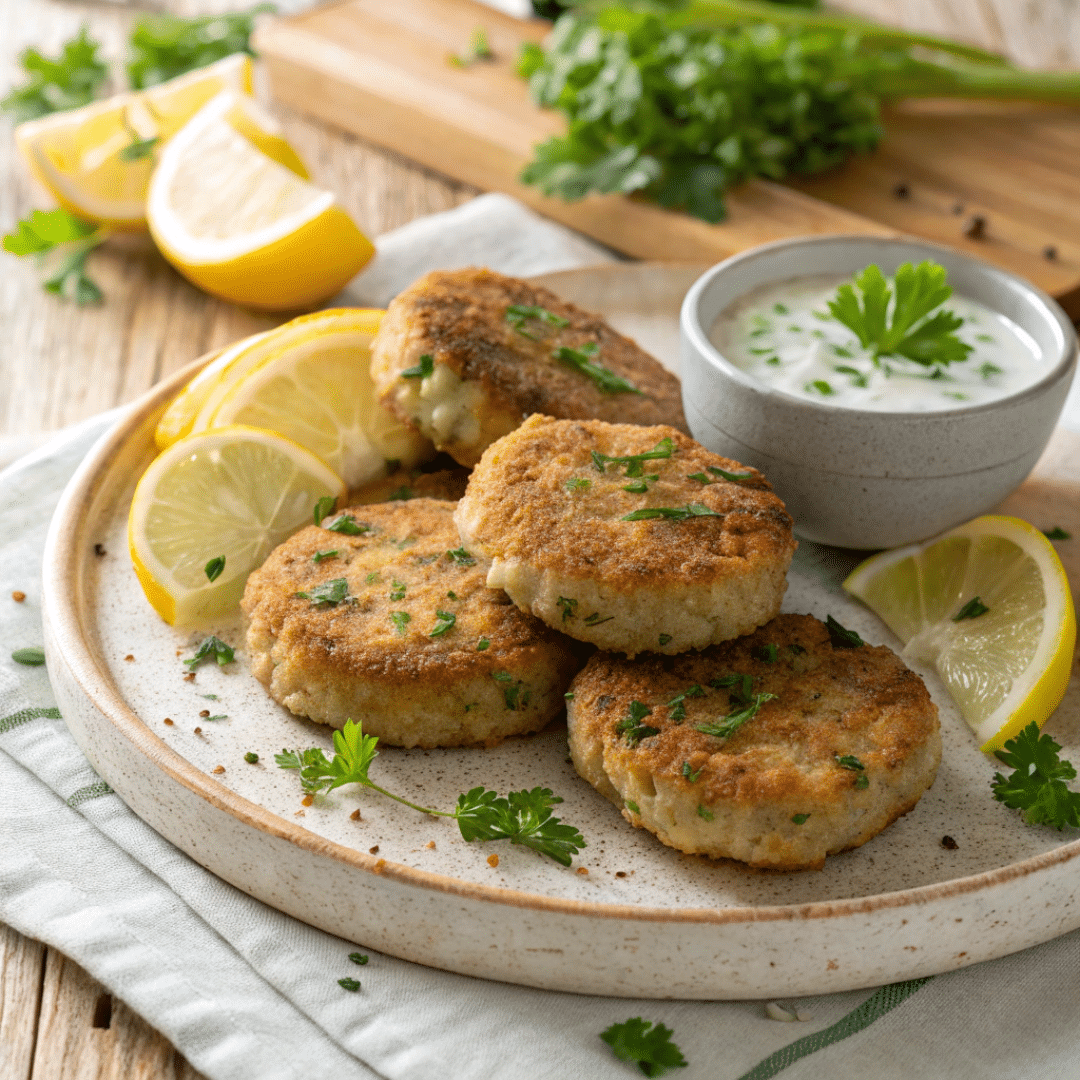
Sardine Patties with Lemon
Ingredients
Method
- Drain sardines well and place them in a large mixing bowl. Mash with a fork until mostly cohesive, leaving a few flakes for texture.
- Add lemon zest, lemon juice, herbs, onion, garlic, olives (if using), salt, and pepper. Mix and taste to adjust seasoning before adding the binder.
- Stir in the egg and breadcrumbs until the mixture holds together. If too wet, add breadcrumbs one tablespoon at a time.
- With wet hands, shape the mixture into small 2–3 inch patties for even cooking.
- Heat a skillet over medium-low heat with a thin layer of olive oil.
- Cook patties in small batches for 3–4 minutes per side, flipping once, until golden brown and set through.
- For oven cooking, bake on a lined sheet at 425°F for about 20 minutes, flip, then bake 5 more minutes until crisp.
Notes
FAQ
How long does it take to make these sardine cakes?
Should I use sardines packed in oil or water?
How do I prevent the fish cakes from falling apart?
Can I make these grain-free or gluten-free?
How can I tame a strong fishy taste for picky eaters?
Are canned bones okay to eat in these fish cakes?
What are good sauces and sides to serve?
Can I bake these instead of frying?
How do I store and reheat leftovers?
Can I substitute other canned fish in this recipe?
About The Author

John
John Watson is the passionate food enthusiast behind MePlusFood.com. With a deep love for exploring culinary delights, he shares honest restaurant reviews, mouthwatering recipes, and culinary adventures. Join John on his flavorful journey to savor the world one bite at a time.