Duck Fat Roasted Turnips with Crisp Edges
Duck fat-roasted turnips completely changed how I view root vegetables. They turn a bland side dish into a golden, crispy culinary revelation. The kitchen fills with fantastic aromas that make even the most skeptical vegetable eaters curious. The magic happens when humble turnips meet rendered duck fat. This creates edges so crisp and golden that they rival any restaurant preparation. I discovered this technique accidentally during a winter cooking experiment. Now it’s my go-to method for elevating simple vegetables. Those caramelized, crackling edges make these duck-fat roasted turnips truly magical.
Key Takeaways
- Duck fat turns ordinary turnips into extraordinary side dishes
- High-heat roasting creates irresistibly crisp vegetable edges
- Winter is the perfect season for this hearty, flavorful recipe
- No specialized cooking skills required to achieve restaurant-quality results
- Turnips can be delicious when prepared with the right technique
Why Duck Fat Transforms Humble Turnips into Restaurant-Quality Vegetables
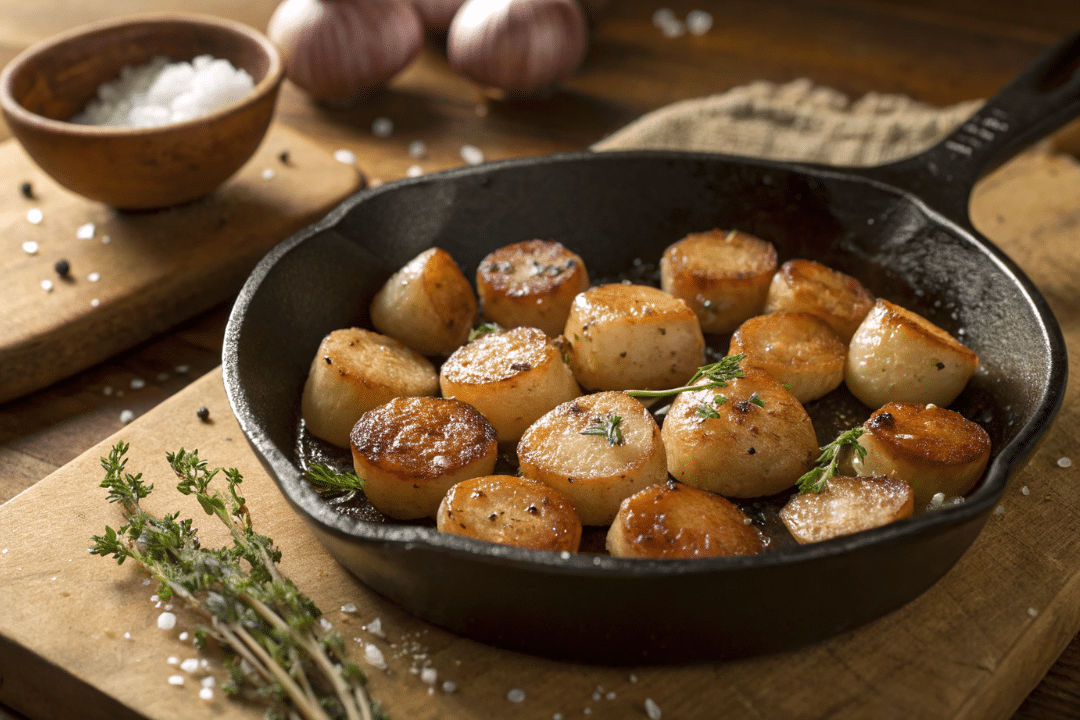
Duck fat is the secret weapon that elevates ordinary root vegetables into extraordinary culinary experiences. This rich, flavorful fat brings a gourmet touch to simple vegetable preparations. The duck fat cooking technique transforms vegetables into crispy, golden delights that restaurant chefs treasure.
The magic of duck fat lies in its unique chemical composition. Duck fat has a higher smoke point and creates superior browning for crispy duck fat vegetables. Its molecular structure allows intense heat without burning.
Your root vegetables, cooked in duck fat, develop irresistible caramelized edges. Every bite becomes memorable with this technique.
The Science Behind Duck Fat’s Unparalleled Flavor
Something remarkable happens when the gourmet turnip preparation technique is used with duck fat. The fat’s high percentage of monounsaturated fatty acids creates perfect conditions. This environment triggers the Maillard reaction—that beautiful browning process that develops deep, complex flavors.
- Higher smoke point than olive oil
- Richer flavor profile than butter
- Creates consistently crisp vegetable edges
Where to Find and How to Store Rendered Duck Fat
Finding duck fat is easier than most home cooks realize. Specialty grocery stores, butcher counters, and online retailers often stock this culinary treasure. Purchase pure rendered duck fat without additives—look for clean, golden liquid with no impurities.
Storage is simple: keep your duck fat in a glass jar in the freezer. It will remain semi-solid and scoopable, lasting for months. If you cook a whole duck, you can even render your own fat.
Duck Fat Roasted Turnips: The Perfect Winter Side Dish
Winter vegetable roasting reaches new heights with this farm-to-table turnip recipe. It transforms humble root vegetables into a restaurant-worthy side dish. My caramelized turnips recipe brings out the best in these often-overlooked vegetables.
This dish creates a magical transformation with just a few simple ingredients. Selecting the perfect turnips is crucial for this dish. Look for:
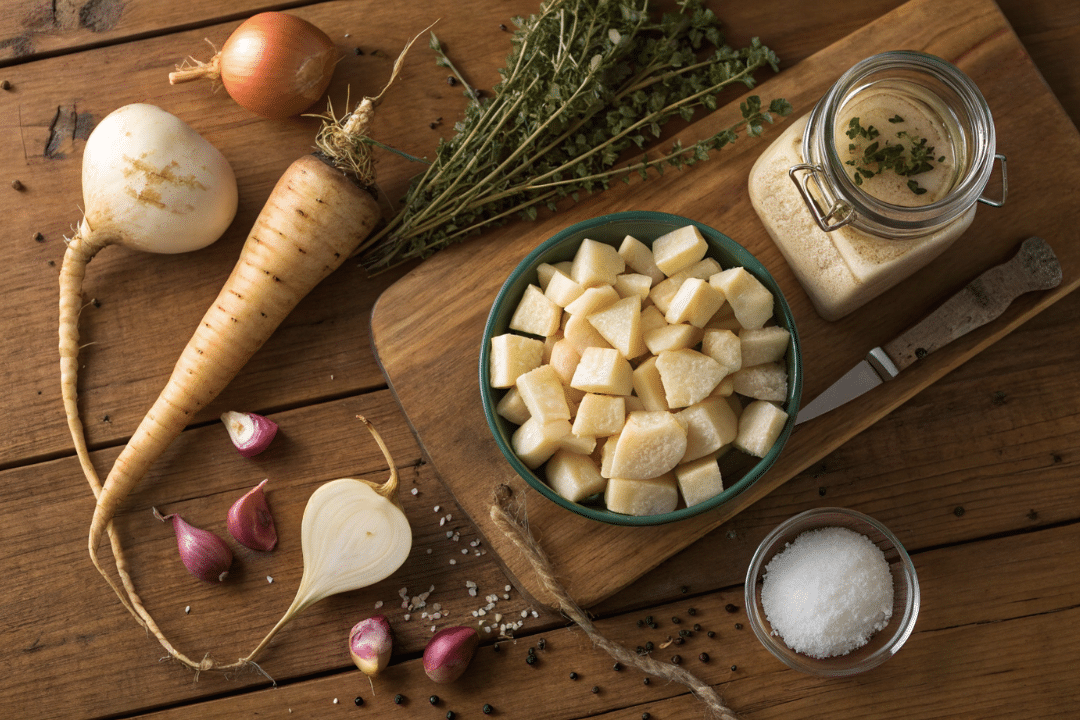
- Small, young turnips with smooth skin
- Firm vegetables without blemishes
- Preferably locally sourced from farmers’ markets
The secret to incredible winter roasted vegetables lies in three key elements. You need high-quality duck fat, precise temperature control, and proper preparation. I recommend using fresh turnips cut into uniform 1-inch chunks.
Uniform chunks ensure even cooking. Pat the turnips completely dry before roasting. Moisture is the enemy of crispy edges.
My go-to method for caramelized turnips involves roasting at high temperatures. Start by preheating your oven to 425°F. Use a cast-iron skillet for maximum heat distribution.
The duck fat creates those irresistible golden-brown edges. It keeps the interior tender and creamy. Roasting times can vary, but aim for about 35-40 minutes total.
Stir occasionally to promote even caramelization. The final result should be turnips with crispy exteriors and melt-in-your-mouth centers. This is an authentic farm-to-table turnip recipe that elevates the art of roasting winter vegetables.
Pro tip: Save any leftover duck fat for future cooking. These roasted turnips pair beautifully with roasted chicken or duck breast. They also work as a standalone vegetable side that will impress dinner guests.
Bringing It All Together: Your New Favorite Winter Side
Duck fat roasted turnips transform humble root vegetables into something spectacular. These golden, crispy turnips adapt to multiple meal styles with remarkable ease.
Emily Paster suggests topping these turnips with a perfectly fried egg for an instant main course. The runny yolk mingles with crisp vegetable edges, creating a rich meal. It feels both rustic and sophisticated.
Experimenting with seasonings takes these turnips to new heights. Try sprinkling garlic salt, paprika, smoked paprika, or red pepper flakes for an extra burst of flavor. Balsamic vinegar adds a tangy finish that complements the richness of the duck fat.
Add other root vegetables, such as carrots or parsnips, to create a colorful roasted medley.
These duck fat roasted turnips freeze beautifully for up to three months. They make a perfect make-ahead side. Serve them alongside a roast, tuck them into a grain bowl, or enjoy them on their own.
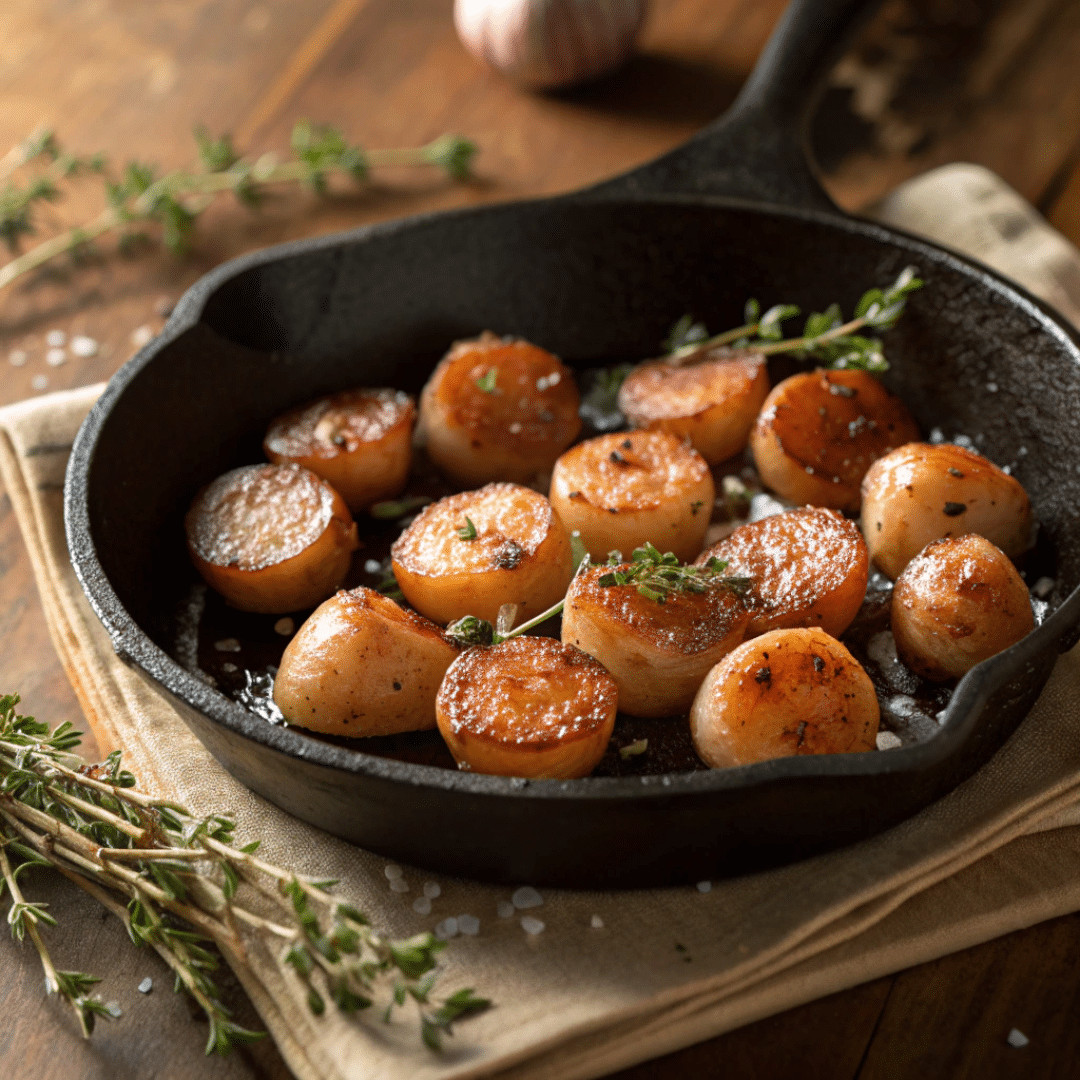
Duck Fat Roasted Turnips
Ingredients
Method
- Preheat your oven to 425°F for high-heat roasting.
- Pat turnip chunks completely dry to promote crisp edges.
- Warm the duck fat until melted, then toss with the turnips.
- Season with salt, pepper, and any optional spices.
- Spread in a single layer on a cast-iron skillet or baking sheet.
- Roast for 35–40 minutes, stirring halfway for even caramelization.
- Remove when golden brown and tender in the center.
- Serve warm as a side or topped with a fried egg.
Notes
FAQ
Can I use a different fat if I don’t have duck fat?
How do I know when the turnips are perfectly roasted?
How long can I store leftover roasted turnips?
What are the best turnips to use for this recipe?
Can I prepare these turnips ahead of time?
What herbs work best with duck fat roasted turnips?
How do I store duck fat after opening?
Can these turnips be a main dish?
About The Author

John
John Watson is the passionate food enthusiast behind MePlusFood.com. With a deep love for exploring culinary delights, he shares honest restaurant reviews, mouthwatering recipes, and culinary adventures. Join John on his flavorful journey to savor the world one bite at a time.